
A blastocyst is a Day-5 or Day-6 embryo that has reached a later stage of development after fertilization. Blastocysts are commonly used in IVF because they confirm early embryo development and support clearer treatment planning.
Common Searches This Page Answers
blastocyst definition · what is a blastocyst · blastocyst vs day 3 · blastocyst grading · frozen blastocyst IVF · blastocyst stage embryo
Intended parents learning IVF and embryo basics
Families comparing egg donation and embryo pathways
LGBTQ+ parents and single parents by choice
International intended parents planning care remotely
Timeline Context
Blastocysts form approximately 5–6 days after fertilization. They may be transferred fresh or frozen for later use.
Safety & Oversight
All embryo development and storage is performed by licensed fertility clinics and IVF laboratories. EggDonors4All provides education and coordination, not medical treatment.
Service Coverage (GEO)
USA & Canada · California · New York · Texas · Florida · Illinois · Remote coordination available
If you are researching IVF, donor eggs, or embryo transfer, you will likely encounter the term blastocyst early in your journey. While it may sound technical, the concept is straightforward and plays an important role in modern fertility care.
A blastocyst is an embryo that has developed for five to six days after fertilization, reaching a stage where early development has been confirmed. Because blastocysts have progressed beyond the earliest stages of cell division, they are often used for embryo transfer or freezing in IVF cycles.
This page is designed to explain blastocysts in clear, non-technical language. It covers what a blastocyst is, how embryos develop from Day 1 to Day 5, how blastocysts differ from earlier-stage embryos, and how grading works. It also explains how blastocysts fit into egg donation and IVF planning — without making medical claims or guarantees.
EggDonors4All provides education and coordination around egg donation and embryo options while working alongside licensed fertility clinics that manage all medical care.
A blastocyst is an embryo that has developed to Day 5 or Day 6 after fertilization.
At this stage, the embryo has formed:
This differentiation indicates that the embryo has successfully continued development through several early stages. Reaching the blastocyst stage does not guarantee pregnancy, but it confirms early developmental progression.
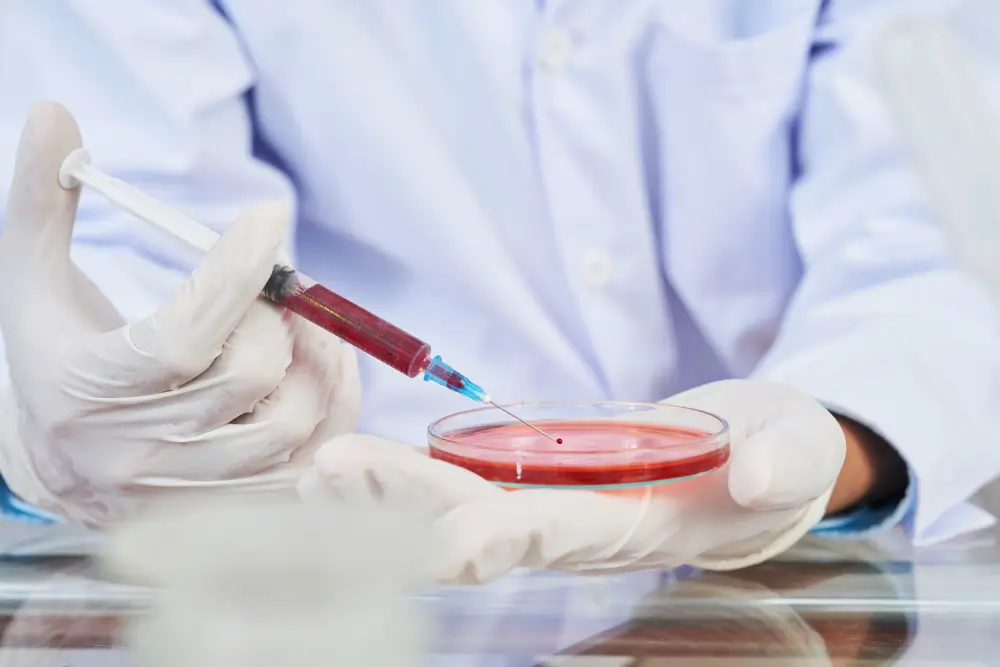
Day 1
Fertilization (zygote forms)
Day 2–3
Cleavage stage (cell division begins)
Day 4
Morula (compact cell mass)
Day 5–6
Blastocyst (differentiated embryo)
Not all embryos reach the blastocyst stage. Natural attrition is common and expected during embryo development.
| Feature | Day-3 Embryo | Blastocyst |
| Development stage | Early cleavage | Day-5 embryo |
| Differentiation | Not yet | Yes |
| Planning clarity | Lower | Higher |
Blastocysts provide additional developmental information before transfer or freezing. The decision to use Day-3 or Day-5 embryos is made by fertility clinics based on individual circumstances.
Blastocysts are often graded based on:
Grades such as 4AA, 4AB, or 5AA describe visual characteristics only.
Blastocyst grading helps describe development but does not predict outcomes.
In donor egg IVF cycles, blastocysts help clinics and intended parents:
Some families prefer planning around blastocysts because early development has already occurred before transfer or freezing.
| Option | What Is Provided | Timeline | Unknowns |
| Fresh egg donor | Eggs | Months | Higher |
| Frozen donor eggs | Eggs | Weeks | Moderate |
| Blastocysts | Day-5 embryos | Immediate | Lower |
Each option serves different planning needs. This page is educational and does not recommend one path over another.
A blastocyst is a Day-5 or Day-6 embryo.
No. Some embryos stop developing before Day-5.
Blastocysts may be frozen or transferred, depending on clinic guidance.
No medical option guarantees pregnancy.
Grading is commonly used but varies by clinic.
Understanding blastocysts is an important step in IVF education. EggDonors4All provides ethical, clinic-agnostic information to help families plan with confidence.
Serving intended parents across the USA & Canada.

Egg donation is a process where a woman (the egg donor) provides one or several eggs (also known as oocytes) for purposes of assisted reproduction, with the eggs being fertilized in the laboratory. Once fertilized, the resulting embryos are transferred to the recipient’s uterus to initiate a pregnancy, or they can be cryopreserved (frozen) for future use.
Licensed & Registered: NYS Surrogacy Program License GSP220903 · NYS Tissue Bank License ID 1570 · California Tissue Bank License CTB00082276 · Maryland Tissue Bank License TB3527 · FDA HCT/P Establishment Registration FEI 3021544308 · Health Canada Establishment Registration 000119
Verify: How to check our licenses
Disclaimer: THIS WEBSITE DOES NOT PROVIDE MEDICAL ADVICE AND MAY BE OUT OF DATE. The information, including but not limited to text, PDFs, graphics, images, and other material contained on this website, is for general educational purposes only. No material on this site is intended to be a substitute for professional medical advice, diagnosis, or treatment, and does not create a patient-doctor relationship. Pricing on the website may be out of date, is subject to change without notice, and may be subject to additional terms and conditions. No information on this site is intended to be a financial quote for medical services. Always seek the
advice of your physician or other qualified healthcare provider with any questions you may have regarding a medical condition, lifestyle or dietary changes, treatments, and before undertaking a new healthcare regimen.
Never disregard professional medical advice or delay in seeking it because of something you have read on this website.
© 2026 EggDonors4All. All Rights Reserved.