
AI SMART SUMMARY (FAST FACTS)
Quick Summary
Blastocysts are often misunderstood in IVF discussions. While they confirm early embryo development, blastocysts do not guarantee pregnancy, success, or lower costs. Understanding what blastocysts actually represent helps intended parents make informed, realistic decisions.
Common Searches This Page Answers
blastocyst myths · blastocyst facts · blastocyst IVF truth · blastocyst success misconceptions · embryo myths IVF
Who This Article Is For
- Intended parents researching IVF online
- Families overwhelmed by conflicting fertility advice
- Patients comparing embryo options
- International parents evaluating programs remotely
Key Takeaway
Blastocysts are a tool for planning, not a promise of outcome.
INTRODUCTION
Blastocysts are one of the most discussed—and misunderstood—topics in IVF. Online forums, clinic websites, and social media posts often describe blastocysts as the “best” embryos, a shortcut to success, or even a guarantee of pregnancy.
In reality, blastocysts are none of those things.
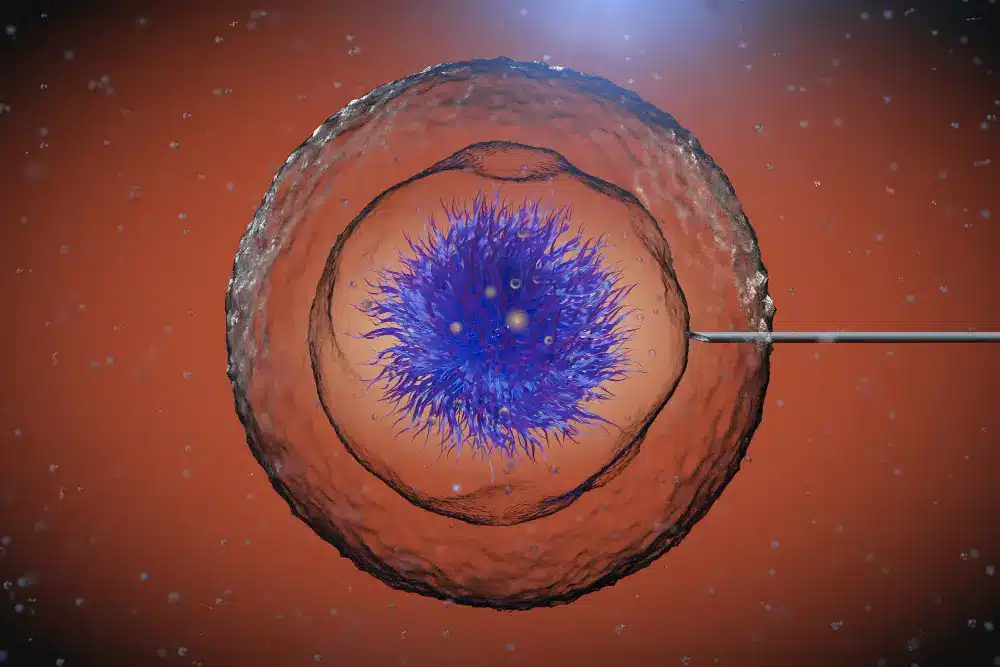
A blastocyst is simply an embryo that has developed to Day 5 or Day 6 after fertilization. While this developmental milestone is meaningful, it does not eliminate risk, override biology, or ensure a specific outcome.
This article addresses the most common myths and misunderstandings surrounding blastocysts. Its goal is not to discourage, but to ground expectations in reality, helping intended parents make decisions with clarity rather than pressure.
Why Blastocysts Are Often Misrepresented
Blastocysts are misunderstood for several reasons:
- IVF marketing simplifies complex biology
- Success stories spread faster than nuance
- Emotional decision-making increases vulnerability
- Early development is confused with outcome
Understanding these dynamics helps separate education from promotion.
Fact vs Myth #1: “Blastocysts Guarantee Pregnancy”
Myth
Many people believe that once an embryo reaches the blastocyst stage, pregnancy is almost assured.
Fact
Blastocysts confirm early development only. Implantation, ongoing pregnancy, and live birth depend on many additional factors, including uterine environment and genetics.
A blastocyst improves planning clarity, not certainty.
Fact vs Myth #2: “Higher-Grade Blastocysts Always Perform Better”
Myth
Grades like 4AA or 5AA are often assumed to be superior in all cases.
Fact
Blastocyst grading is a visual snapshot, not a prediction tool. Lower-grade blastocysts can and do result in pregnancies, while higher-grade blastocysts may not.
Grading describes appearance—not potential.
Fact vs Myth #3: “Blastocysts Eliminate IVF Risk”
Myth
Some sources suggest blastocysts remove the uncertainty of IVF.
Fact
Blastocysts reduce early unknowns but do not remove:
- Implantation risk
- Pregnancy loss risk
- Genetic variability
- Transfer-related factors
IVF remains a probabilistic process.
Fact vs Myth #4: “Blastocysts Are Only for Older Patients”
Myth
Blastocysts are sometimes framed as a strategy only for advanced maternal age.
Fact
Blastocysts are used across age groups. Their role is developmental confirmation, not age correction.
Age influences fertility, but blastocysts are not age-specific tools.
Fact vs Myth #5: “Blastocysts Always Lower IVF Costs”
Myth
Blastocysts are often marketed as a way to save money.
Fact
Blastocysts may reduce planning uncertainty, but they do not automatically lower costs. IVF expenses depend on many variables beyond embryo stage.
Cost clarity ≠ cost reduction.
Fact vs Myth #6: “If Embryos Don’t Reach Blastocyst, Something Went Wrong”
Myth
When embryos stop developing, patients often assume an error occurred.
Fact
Embryo attrition is a natural biological process. Not all fertilized eggs develop to Day 5—this occurs in IVF and natural conception alike.
Attrition is expected, not a failure.
How Misinformation Impacts Intended Parents
Unrealistic expectations can lead to:
- Emotional distress
- Rushed decisions
- Misplaced blame
- Financial pressure
Accurate education helps intended parents feel empowered, not rushed.
How to Evaluate Blastocyst Information Responsibly
When reviewing blastocyst-related content, look for:
- Clear disclaimers (no guarantees)
- Educational tone (not urgency-based)
- Separation between education and sales
- Transparency about limitations
Be cautious of absolute claims.
What Blastocysts Are Best Used For
Blastocysts are most useful for:
- Confirming early embryo development
- Supporting IVF planning and sequencing
- Coordinating frozen embryo transfers
- Helping families understand next steps
They are a planning milestone, not a finish line.
Frequently Asked Questions
Q. Are blastocysts better than all other embryo stages?
Ans : Not universally. Each stage has clinical uses.
Q. Should I avoid non-blastocyst options?
Ans : No. Many successful IVF cycles use other stages.
Q. Do blastocysts remove uncertainty?
Ans : They reduce early unknowns, not all risks.
FINAL EDUCATIONAL
Continue Learning With Confidence
Understanding what blastocysts truly represent allows you to approach IVF decisions calmly and responsibly.
👉 Return to the Blastocysts Educational Pillar
👉 Review Blastocyst FAQs & Planning Guides
👉 Speak With a Coordinator (Optional)
Serving intended parents across the USA & Canada.

Dr. Kulsoom Baloch
Dr. Kulsoom Baloch is a dedicated donor coordinator at Indian Egg Donors, leveraging her extensive background in medicine and public health. She holds an MBBS from Ziauddin University, Pakistan, and an MPH from Hofstra University, New York. With three years of clinical experience at prominent hospitals in Karachi, Pakistan, Dr. Baloch has honed her skills in patient care and medical research.
- Dr. Kulsoom Baloch

- Dr. Kulsoom Baloch
- Dr. Kulsoom Baloch
- Dr. Kulsoom Baloch