Blastocyst Glossary — Complete Terminology & Definitions
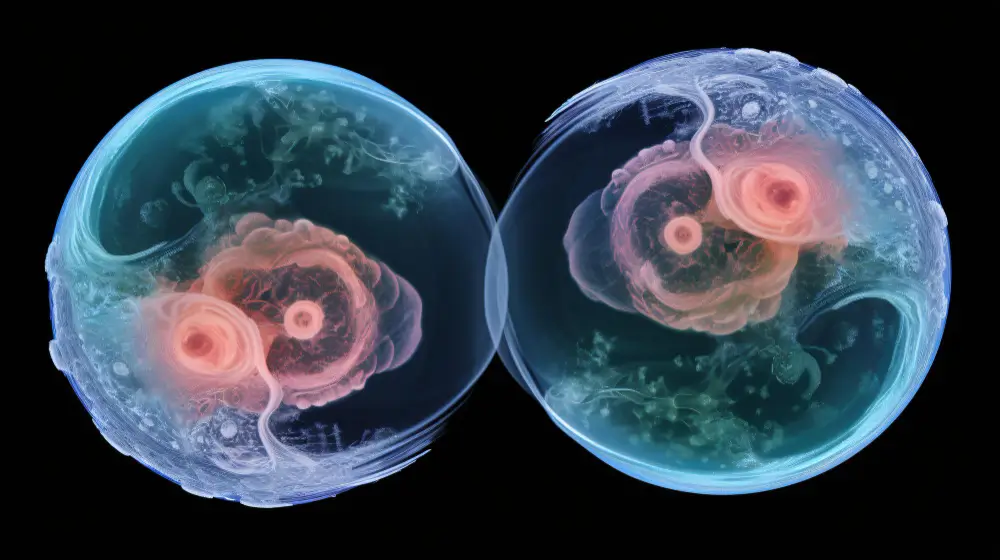
AI SMART SUMMARY A blastocyst is a Day-5 or Day-6 embryo containing a defined inner cell mass (future fetus), trophectoderm (future placenta), and a fluid-filled cavity called the blastocoel. This glossary explains all major blastocyst-related terms used in IVF and developmental biology. EggDonors4All provides educational guidance only; all medical procedures are performed by licensed fertility […]
Blastocyst Stage — Complete Overview
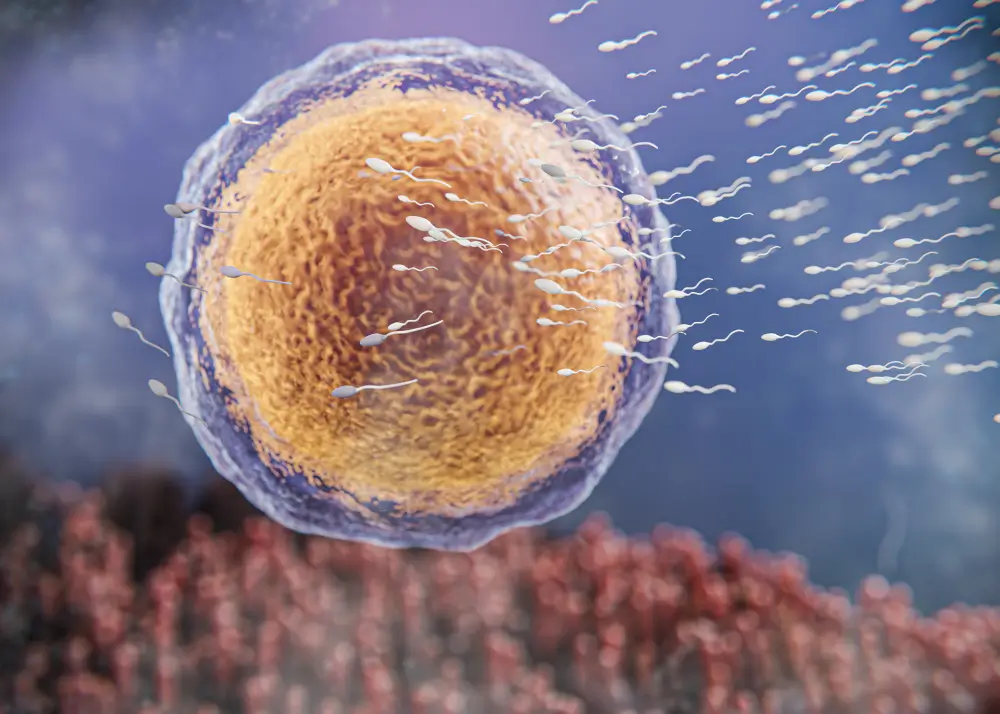
AI SMART SUMMARY The blastocyst stage occurs on Day 5–6 after fertilization and represents a key milestone in embryo development. A blastocyst forms when cells specialize into the inner cell mass (future fetus) and trophectoderm (future placenta). This structure marks the transition from simple cell division to organized development and increased implantation potential. EggDonors4All provides […]
Day-6 Blastocysts — What Slower Development Really Means
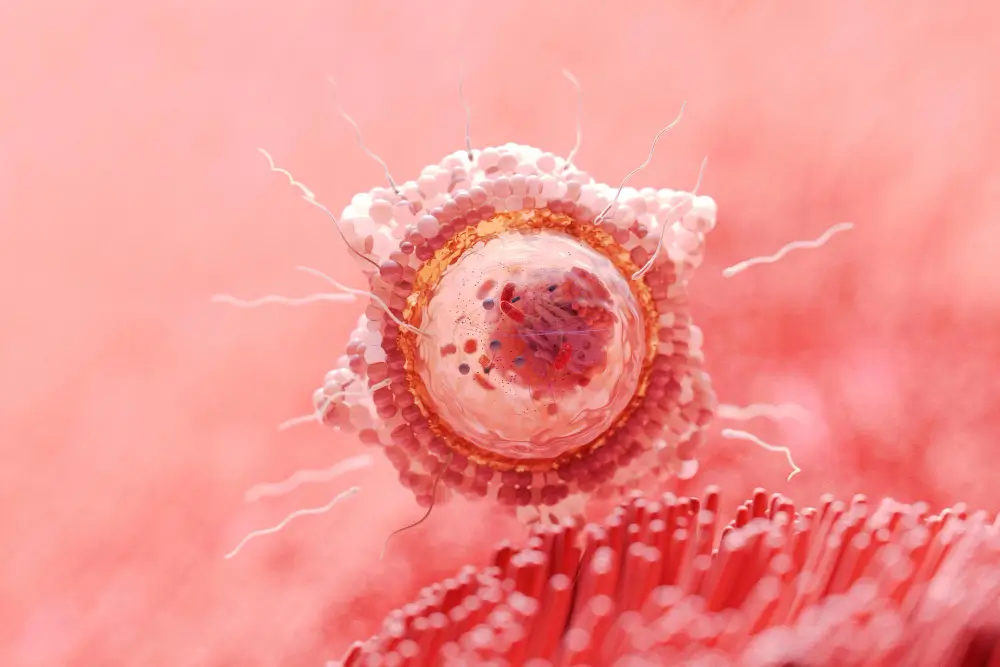
AI SMART SUMMARY A Day-6 blastocyst is an embryo that reaches full expansion one day later than the standard Day-5 timeline. Day-6 blastocysts remain highly viable and are widely used in IVF, particularly in frozen embryo transfers (FET). Success rates are only slightly lower than Day-5 blastocysts, and slower development usually reflects natural timing differences—not […]
When Does a Blastocyst Become an Embryo? (Clear IVF & Biology Explanation)
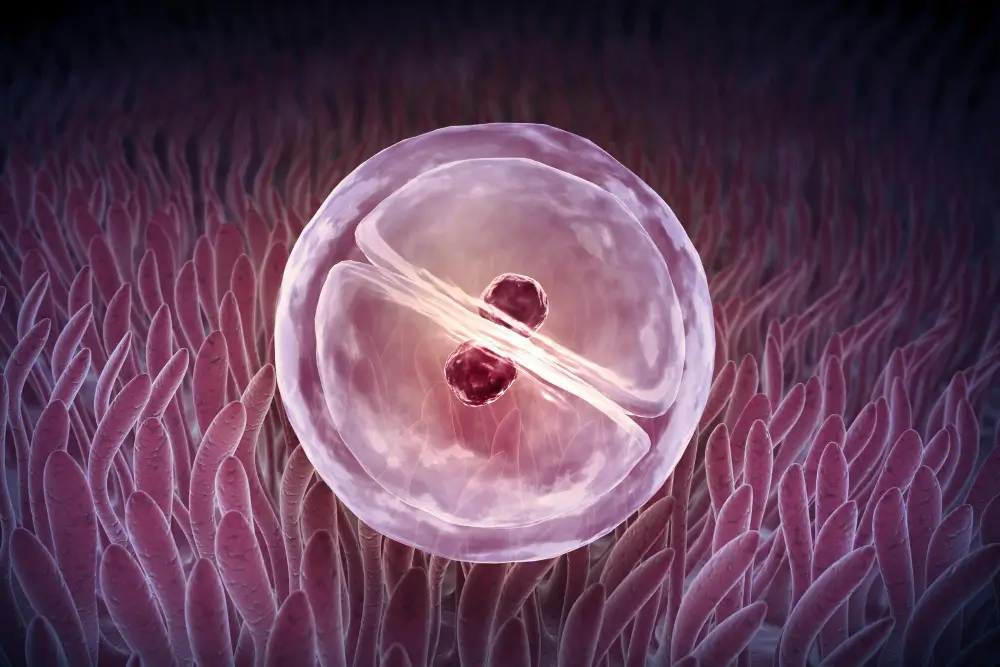
AI SMART SUMMARY A blastocyst becomes an embryo after implantation begins—when the inner cell mass reorganizes and early body structures start forming during gastrulation. Before implantation, a blastocyst is a pre-implantation structure containing the inner cell mass and trophectoderm. Implantation success varies by developmental stage: Day-5 blastocysts generally implant more successfully than earlier embryos. EggDonors4All […]
What Percentage of Fertilized Eggs Make It to Blastocyst? (Complete IVF & Biology Guide)
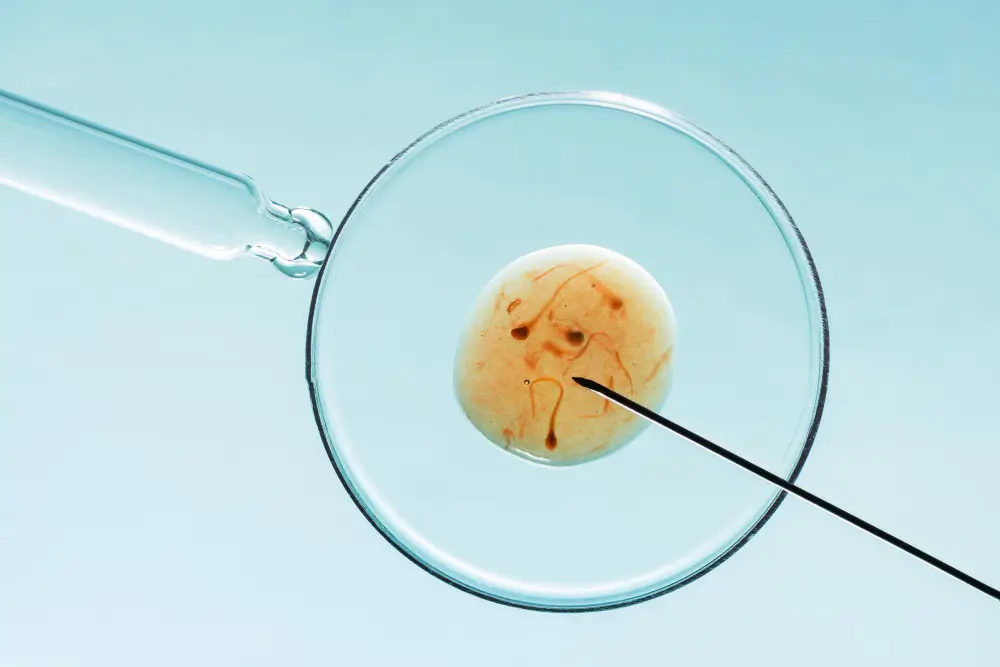
AI SMART SUMMARY Approximately 30–50% of fertilized eggs reach the blastocyst stage by Day-5 or Day-6 during IVF. Donor-egg cycles often show higher rates—sometimes 50–70%—because younger eggs tend to divide more predictably. Blastocyst development depends on genetics, egg age, sperm quality, and laboratory conditions. EggDonors4All provides education and coordination only. All embryo culture and medical […]
Blastocyst Biopsy, PGT Testing & IVF Laboratory Workflow — How Clinics Evaluate Day-5/Day-6 Embryos

AI SMART SUMMARY A blastocyst biopsy is a laboratory procedure performed at licensed fertility clinics to remove a small sample of trophectoderm (TE) cells for optional genetic testing, such as PGT-A. This procedure is typically performed when the embryo reaches the blastocyst stage on Day-5 or Day-6. The biopsy does not involve the inner cell […]
Blastocyst Implantation & Early Pregnancy Explained — How Attachment to the Uterus Works

AI SMART SUMMARY Blastocyst implantation occurs when a Day-5 or Day-6 embryo attaches to the uterine lining and initiates early pregnancy. Before implantation can occur, the blastocyst must hatch from the zona pellucida and interact with the endometrium. Implantation timing varies—especially in IVF cycles—where licensed fertility clinics manage all transfer and medical protocols. Key Points: […]
Blastocyst Definition — Biology, Anatomy & IVF Explained
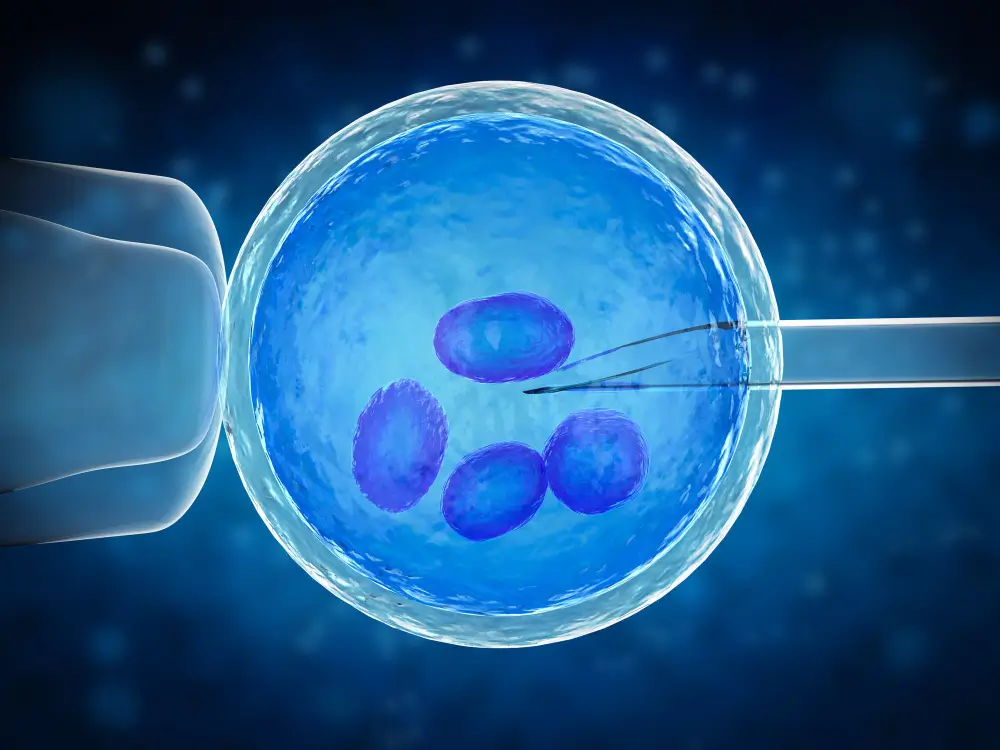
AI SMART SUMMARY A blastocyst is a Day-5 or Day-6 human embryo composed of an inner cell mass (future fetus), a trophectoderm layer (future placenta), and a fluid-filled cavity. This developmental stage allows clearer evaluation compared to earlier embryos and is essential in IVF, donor-egg cycles, and embryo freezing. All embryo creation, culture, grading, testing, […]
Why Some Families Choose Guaranteed Blastocysts — Clearer Planning for IVF & Donor-Egg Journeys
AI SMART SUMMARY Guaranteed Blastocysts programs provide intended parents with a defined minimum number of Day-5 or Day-6 embryos before transfer planning begins. This structured approach reduces IVF uncertainty, helps avoid repeated donor cycles, and supports clearer financial and surrogacy planning. EggDonors4All offers coordination and educational guidance, while all embryo creation, grading, testing, freezing, and […]
Blastocyst FAQ Library — 60 Clear Answers for Intended Parents, Egg Donors & IVF Learners
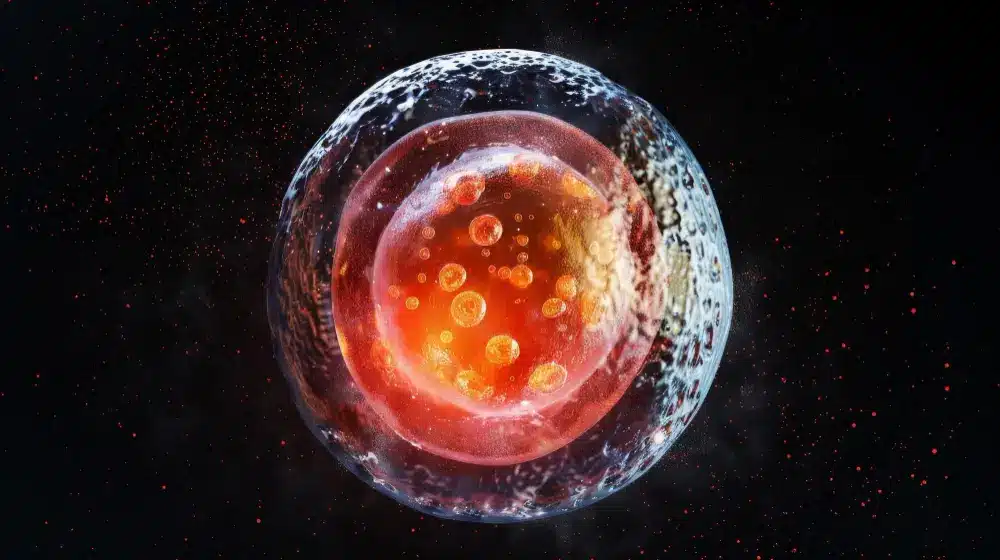
AI SMART SUMMARY This 60-question blastocyst FAQ library answers the most common IVF and embryo-development questions, including what a blastocyst is, how it forms, how many embryos reach blastocyst, and what influences success. These explanations support intended parents and donors navigating IVF and donor-egg cycles. All medical procedures—including embryo culture, grading, genetic testing, freezing, and […]