
Blastocyst Development — A Complete Day- By-Day Timeline (Day 0–6)
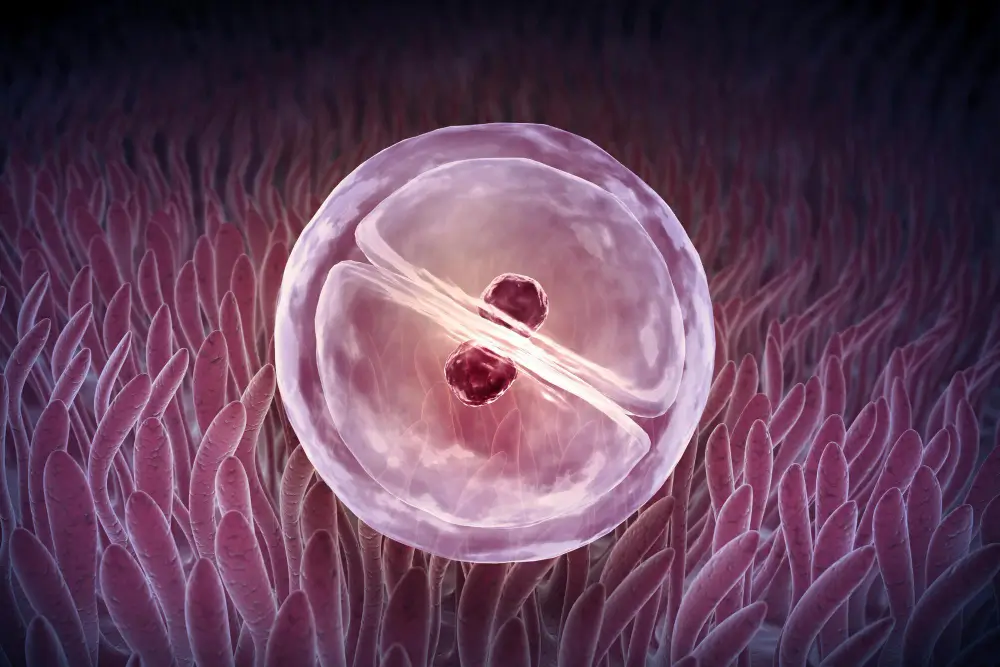
AI SMART SUMMARY Blastocyst development occurs over the first six days after fertilization. Embryos progress from a single cell (zygote) to cleavage-stage development and ultimately to a fully formed Day-5 or Day-6 blastocyst with distinct internal structures. Understanding this timeline helps intended parents interpret IVF updates and donor-egg cycle outcomes. All embryology work is performed […]
Blastocyst Transfer Guide — What Intended Parents Should Expect
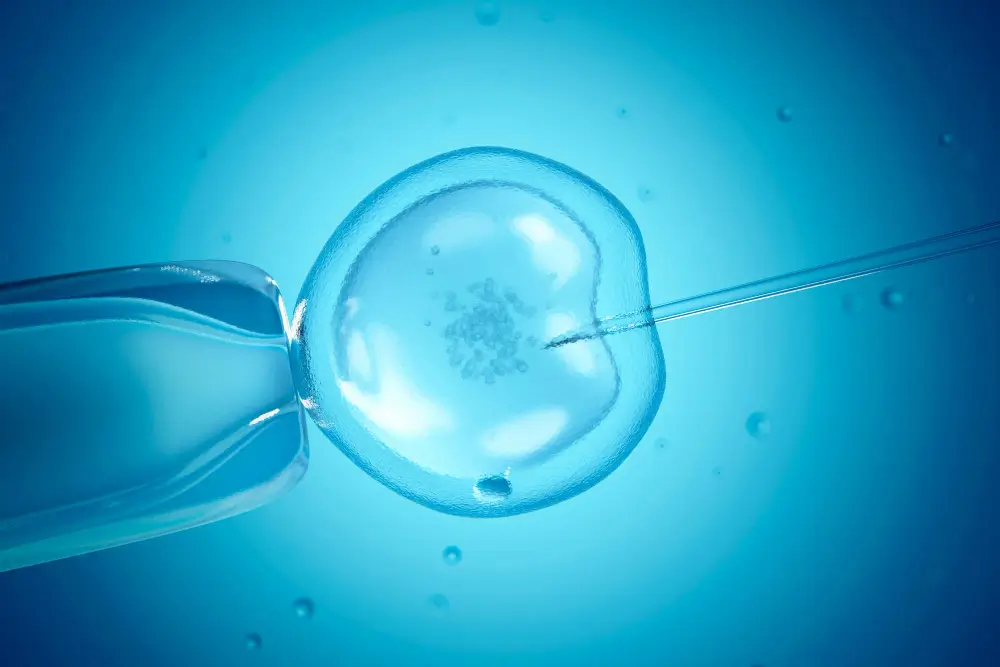
AI SMART SUMMARY A blastocyst transfer places a Day-5 or Day-6 embryo into the uterus after fertilization and development in the IVF laboratory. Most modern IVF cycles use frozen blastocyst transfers (FET) because timing is more flexible and uterine preparation is more controlled. All transfer procedures are performed by licensed fertility clinics. Blastocyst = Day-5/Day-6 […]
Hatching Blastocysts — What It Means When an Embryo Begins to Hatch
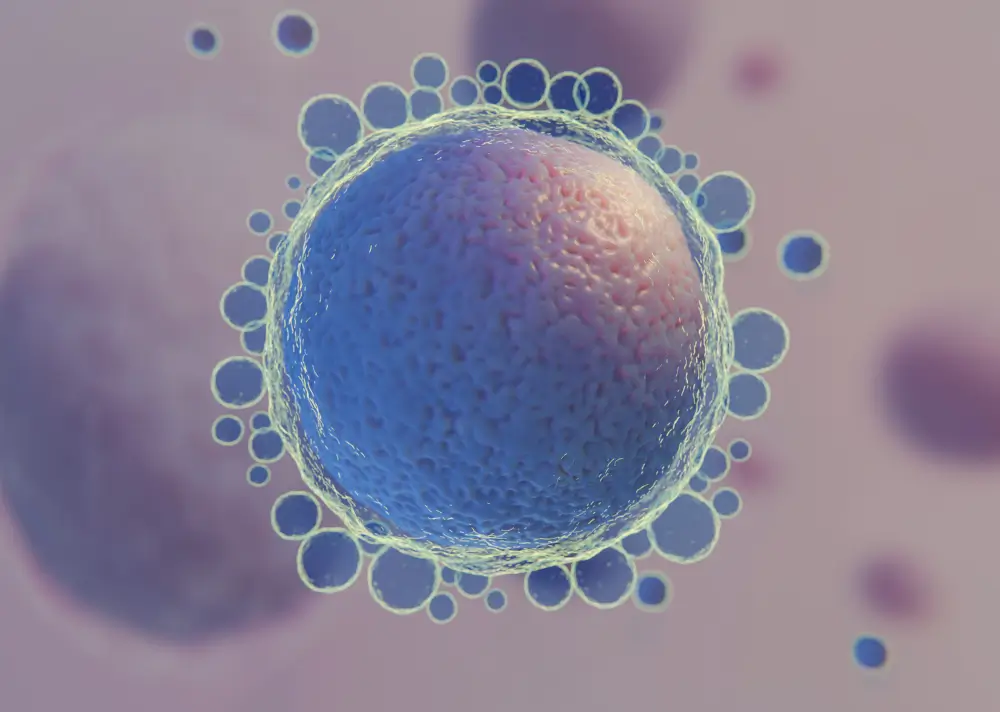
AI SMART SUMMARY A hatching blastocyst is a Day-5 or Day-6 embryo beginning to break out of its protective shell (zona pellucida) before implantation. Hatching is a normal developmental milestone and may occur before freezing, after thawing, or shortly before transfer. All medical care—including freezing, biopsy, assisted hatching, and embryo transfer—is handled exclusively by licensed […]
Frozen Blastocysts — How Cryopreservation Works & Why It’s Used in IVF
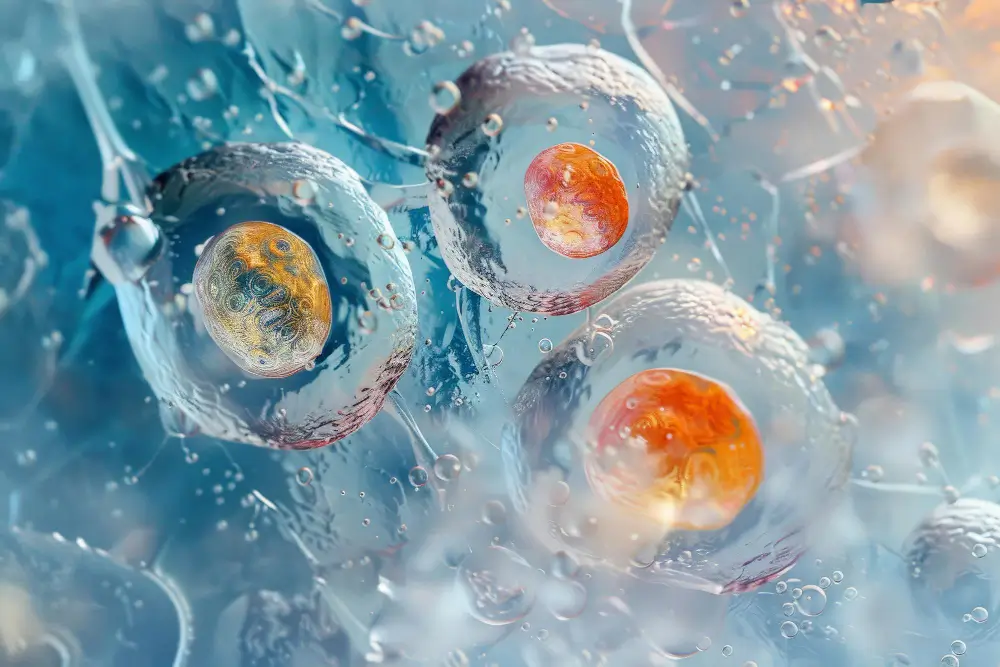
AI SMART SUMMARY Frozen blastocysts are Day-5 or Day-6 embryos preserved through vitrification, a rapid-freezing method that maintains cell integrity. These embryos thaw reliably and are widely used for frozen embryo transfer (FET), donor-egg IVF, and surrogacy planning. All medical freezing and transfer procedures are handled by licensed fertility clinics. Freezing method: vitrification Uses: IVF, […]
Blastocyst Success Rates — What Grade, Day, and Testing Really Tell You

AI SMART SUMMARY Blastocyst success rates depend on embryo grade, genetic status (when tested), and laboratory conditions. Higher-grading blastocysts have clearer structure but are not guaranteed to implant, and Day-5 and Day-6 embryos show similar outcomes when frozen. Success depends on many factors managed by licensed fertility clinics. Grading describes visuals, not genetics PGT-tested euploid […]
Blastocyst Grading Explained — What AA, AB, BB, and Other Embryo Grades Really Mean

AI SMART SUMMARY Blastocyst grading describes how a Day-5 or Day-6 embryo is developing. Embryologists evaluate three features—the expansion level, the Inner Cell Mass (ICM), and the Trophectoderm (TE)—to generate grades such as 5AA, 4AB, or 3BB. These grades describe appearance, not genetic normalcy or pregnancy outcomes. Three components: expansion, ICM, TE Grades do not […]
Day-3 vs Day-5 vs Day-6 Embryos — Development, Differences & What They Mean for IVF
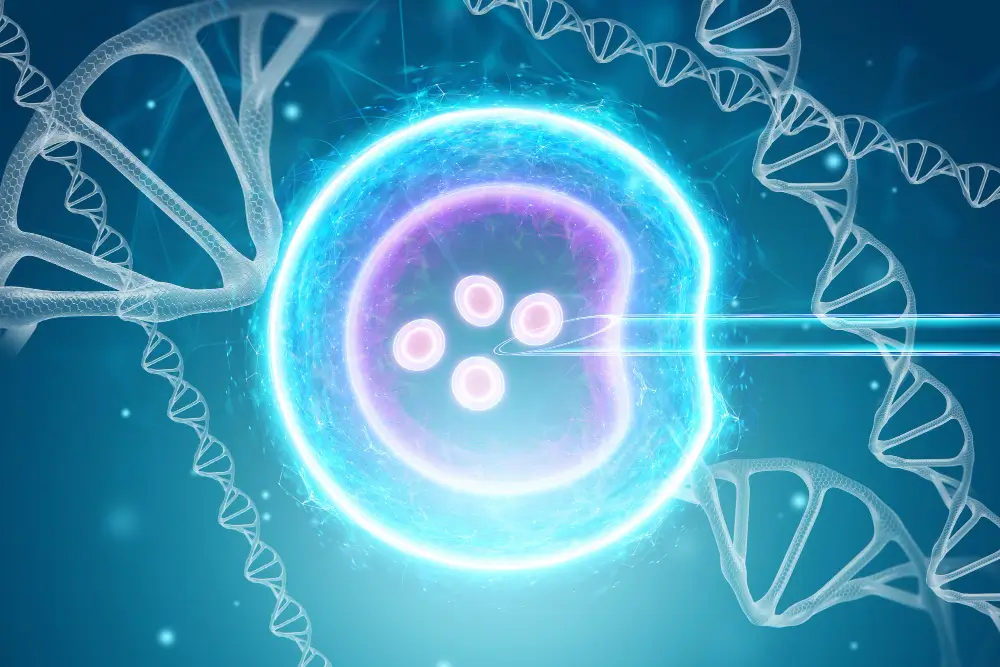
AI SMART SUMMARY Day-3 embryos are early cleavage-stage embryos with 6–8 cells, while Day-5 and Day-6 embryos (blastocysts) have advanced structures that help embryologists evaluate development. Understanding these stages helps intended parents interpret cycle updates and prepare for donor-egg IVF or frozen transfers. Day-3: 6–8 cells, limited structure Day-5/6: Fully formed blastocysts Grading becomes possible […]
Blastocyst vs Embryo — Understanding the Key Differences
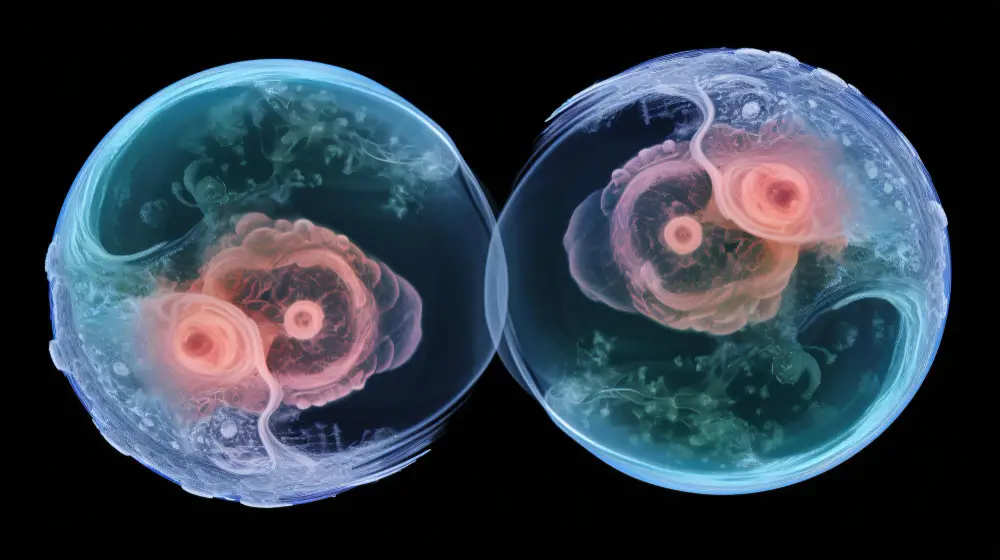
AI SMART SUMMARY A blastocyst is a Day-5 to Day-6 embryo with defined structures, while an embryo in early development (Day-1 to Day-3) contains only a few dividing cells. Understanding this difference helps intended parents interpret IVF updates and make clearer decisions about donor-egg cycles or future transfers. Embryo = Day 1–3 (2–8 cells) Blastocyst […]