Being an Egg Donor: Requirements, Process, Compensation & What to Expect

AI Smart Summary The act of donating eggs can assist intended parents, who include infertile couples, people who have had cancer, and members of the LGBTQ+ community, in growing their families. Some criteria include being within the preferred age range of the program, being physically and mentally healthy, and fulfilling the necessary medical and lifestyle […]
Egg Donation in New York Pays More Than You Think: 2026 Guide

AI Summary: Donor compensation in New York can vary by agency, donor profile and program. Some programs advertise compensation starting around $6,000, while higher tiers may offer significantly more. Payment is generally for the donor’s time, effort, inconvenience, and commitment—not for the eggs themselves. Donors must complete medical and health screening before participating. The process […]
Finding an Egg Donors in Canada Wait Times

Finding an Egg Donor in Canada: Wait Times & Options Canadian intended parents routinely face long waits for an anonymous altruistic donor — and much longer, sometimes indefinitely, for a specific heritage match. This is a structural consequence of the altruistic model, not a failing of any particular clinic. Here are the realistic options and […]
Egg Donation Benefits: Everything Donors Need to Know Before Applying

AI Summary: Egg donation may provide financial compensation for eligible donors. Donors can receive medical and fertility screening as part of the process. Many donors value the chance to help someone build a family. A reputable program can provide medical guidance and donor support. Applicants should understand the time, screening, and medical steps before applying. […]
Donor Egg IVF Over-40
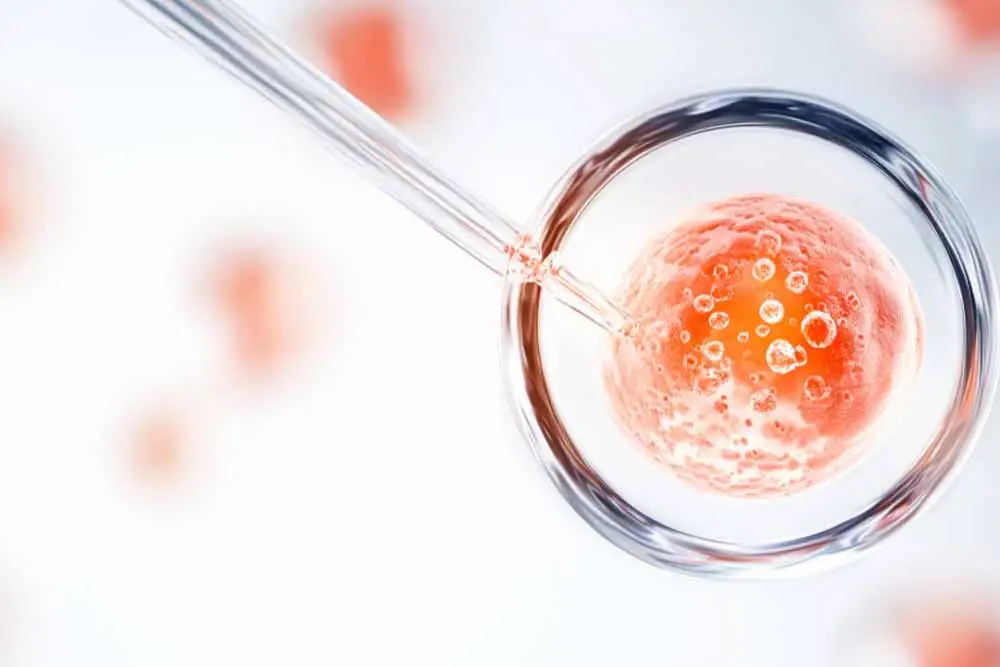
Donor Egg IVF Over 40: What to Expect Donor egg IVF is the treatment where recipient age matters least — because the eggs come from a screened donor in her twenties, embryo quality doesn’t track your age. What does change past 40 is the pregnancy conversation: uterine evaluation, obstetric planning, and medical clearance. Here’s what […]
How Long does Egg Donor Matching Take

How Long Does Egg Donor Matching Take? Most families receive qualified matches within weeks of profile access, with 2–4 months total from consultation to retrieval. But “matching” spans two very different clocks — finding a donor you want, and getting her cycle-ready — and the variables that stretch each one are different. Here’s what actually […]
What to Look for in an Egg Donor Profile

What to Look For in an Egg Donor Profile A donor profile is a document, and reading one well is a learnable skill. Some fields carry real signal, some are noise dressed as data, and the most useful sections are the ones families skim first and remember longest. Here’s how to read a profile — […]
PCOS and Egg Donation Eligibility
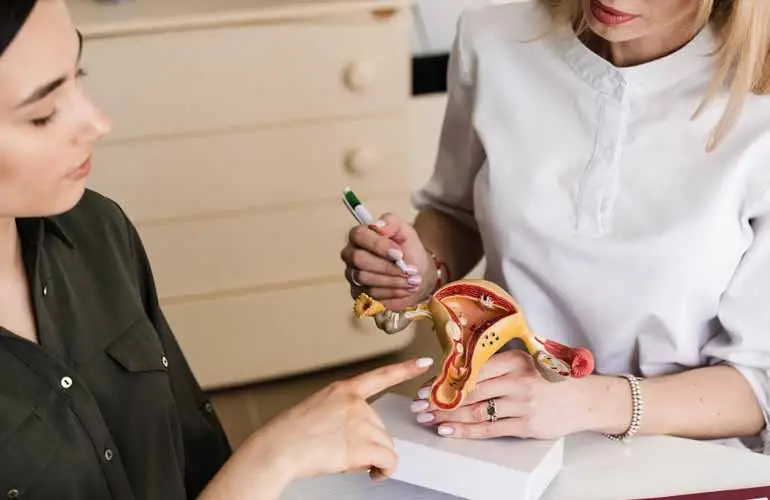
Can You Donate Eggs With PCOS? Sometimes — PCOS is evaluated case by case rather than automatically disqualifying. Some presentations respond well to stimulation; others raise ovarian hyperstimulation risk enough that a physician will decline. The determination is made by a screening physician using your ultrasound, AMH, and clinical picture, not by a checkbox on […]
Do Egg Donors Meet the Intended Parents

Do Egg Donors Meet the Intended Parents? Sometimes — and increasingly. Whether a meeting happens depends entirely on the disclosure level both parties choose in the legal agreement: anonymous arrangements involve no meeting, semi-known arrangements may include a first-names-only video call, and known arrangements can include in-person meetings and ongoing contact. Neither side can impose […]
Egg Donor Cycle Timeline Week by Week

Egg Donor Cycle Timeline: Week by Week From match to retrieval runs 8–12 weeks, but that number hides what donors actually need: which weeks demand your calendar, which are just waiting, and when you need flexibility at 24 hours’ notice. Here’s the timeline as a planning document. How to read this timeline The full process […]