
Blastocyst implantation occurs when a Day-5 or Day-6 embryo attaches to the uterine lining and begins early pregnancy. Before implanting, the blastocyst must hatch from the zona pellucida and interact with the endometrium. Implantation timing varies, especially in IVF, where licensed fertility clinics manage all transfer and medical protocols.
Occurs after hatching
Usually 2–4 days after transfer
Requires receptive uterine lining
Marks the beginning of pregnancy
EggDonors4All provides education, not medical care
Implantation is one of the most important milestones in human reproduction. For intended parents using IVF, donor eggs, or surrogacy, understanding what happens during blastocyst implantation helps clarify how early pregnancy begins—and why timing and uterine preparation matter.
EggDonors4All provides educational support and program coordination. All medical procedures—including uterine preparation, embryo transfer, and implantation-related care—are handled solely by licensed fertility clinics.
Blastocyst implantation is the process where a Day-5 or Day-6 embryo attaches to the uterine lining (endometrium).
This marks the biological beginning of pregnancy.
Implantation involves three major steps:
After adhesion, deeper integration begins.
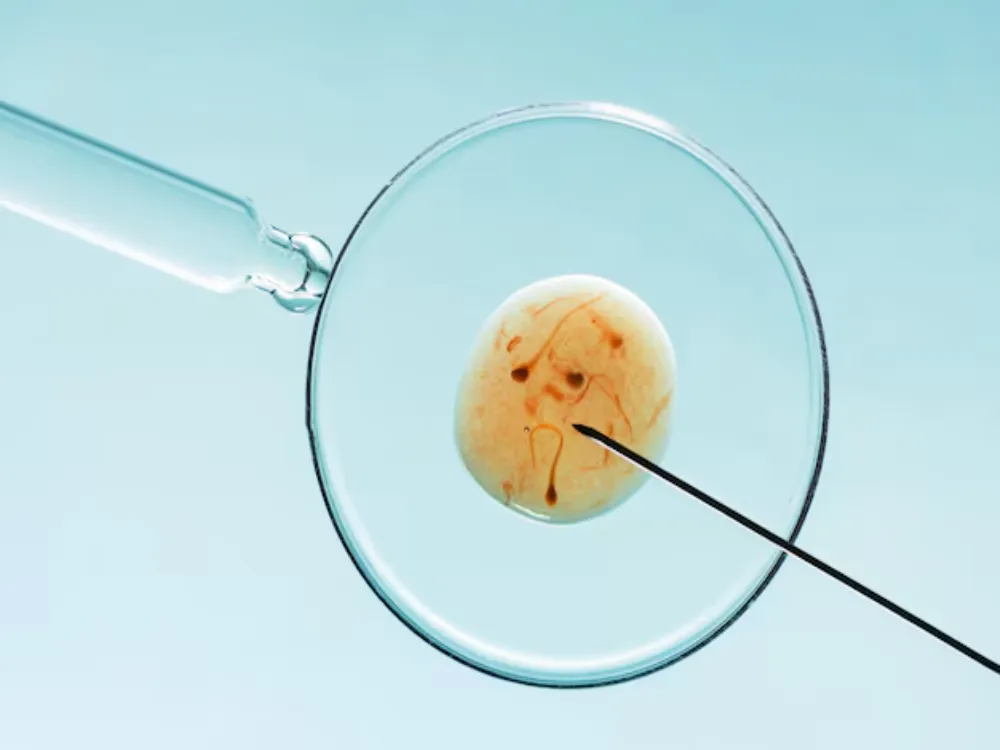
Natural Conception
Typically around Day 6–10 after ovulation.
IVF Frozen Blastocyst Transfer (FET)
Most commonly:
Hatching is required first
A blastocyst cannot implant while still inside the zona pellucida.
Once the blastocyst begins interacting with the endometrium:
Trophectoderm (TE) cells
Start attaching and will later form the placenta.
Inner Cell Mass (ICM)
Stays protected and will later form the fetus.
Endometrium responds
The uterine lining becomes more receptive and supportive.
Early pregnancy signals begin
Hormonal changes are initiated once attachment begins.
This event is known as:
All refer to the same biological process.
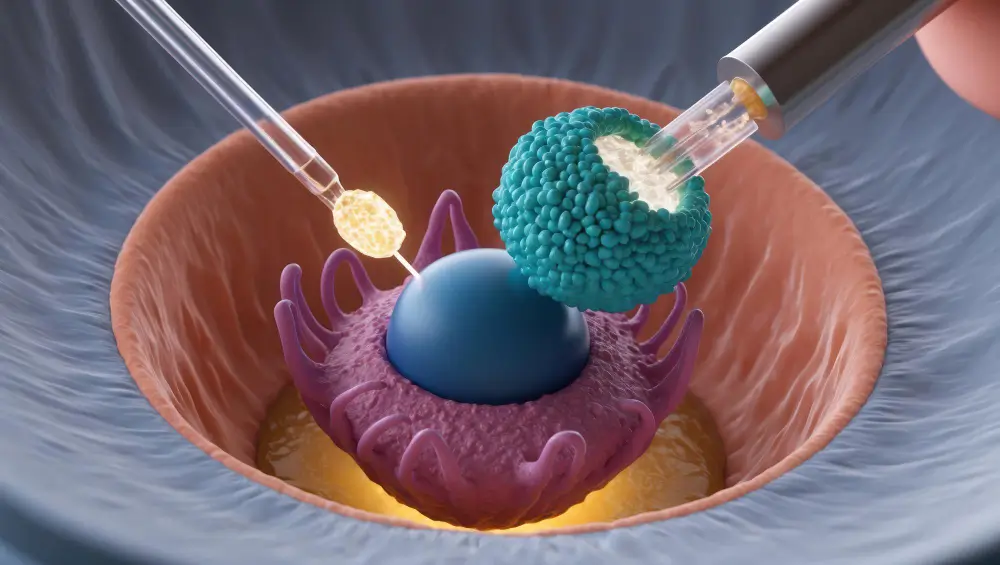
Implantation cannot be forced or guaranteed
It depends on embryo genetics and uterine receptivity.
Perfect embryos do not always implant
Even high-grade 5AA blastocysts sometimes fail to attach.
Lower-grade blastocysts can implant successfully
Appearance ≠ pregnancy prediction.
Frozen vs fresh implantation
Frozen embryo transfers often provide more controlled timing.

Most people do not feel implantation.
No—implantation is microscopic. Ultrasound confirms pregnancy later.
Hatching is required but doesn’t guarantee success.
Clinical guidance varies; consult your fertility provider.
No—implantation is a biological event managed through clinical care.
Donor Eggs
Often produce strong blastocysts, which may support implantation potential.
Surrogacy
A blastocyst must be ready before a surrogate’s uterine cycle is synchronized.
International IVF
Implantation timing is crucial for scheduling and travel planning.
EggDonors4All provides education; clinics oversee all medical decisions.
Families choosing these programs often want:
EggDonors4All coordinates these programs.
Clinics handle embryo culture, freezing, transfer, and implantation.
Implantation begins pregnancy, but pregnancy must still be confirmed by clinical testing.
Often 2–4 days.
Hatching enables implantation but does not guarantee it.
Yes. Many factors influence implantation that are assessed by fertility clinics.
EggDonors4All provides donor matching, structured blastocyst options, and educational guidance—while licensed fertility clinics manage all medical procedures including implantation.

Egg donation is a process where a woman (the egg donor) provides one or several eggs (also known as oocytes) for purposes of assisted reproduction, with the eggs being fertilized in the laboratory. Once fertilized, the resulting embryos are transferred to the recipient’s uterus to initiate a pregnancy, or they can be cryopreserved (frozen) for future use.
Licensed & Registered: NYS Surrogacy Program License GSP220903 · NYS Tissue Bank License ID 1570 · California Tissue Bank License CTB00082276 · Maryland Tissue Bank License TB3527 · FDA HCT/P Establishment Registration FEI 3021544308 · Health Canada Establishment Registration 000119
Verify: How to check our licenses
Disclaimer: THIS WEBSITE DOES NOT PROVIDE MEDICAL ADVICE AND MAY BE OUT OF DATE. The information, including but not limited to text, PDFs, graphics, images, and other material contained on this website, is for general educational purposes only. No material on this site is intended to be a substitute for professional medical advice, diagnosis, or treatment, and does not create a patient-doctor relationship. Pricing on the website may be out of date, is subject to change without notice, and may be subject to additional terms and conditions. No information on this site is intended to be a financial quote for medical services. Always seek the
advice of your physician or other qualified healthcare provider with any questions you may have regarding a medical condition, lifestyle or dietary changes, treatments, and before undertaking a new healthcare regimen.
Never disregard professional medical advice or delay in seeking it because of something you have read on this website.
© 2026 EggDonors4All. All Rights Reserved.