
Fast Facts
- Egg freezing helps preserve younger eggs for future pregnancy plans.
- The best time to freeze eggs is usually before fertility decline becomes significant.
- Age plays an important role because egg quality decreases over time.
- Women in their late 20s and early 30s often consider egg freezing.
- Egg freezing does not guarantee pregnancy but provides more reproductive options.
Many women today choose to delay pregnancy for personal, career, or health reasons. Egg freezing allows women to preserve their eggs at a younger age for possible future use. But the right time depends on age, fertility, health, and personal goals. Understanding how age affects egg quality can help you make a more informed decision about whether to freeze your eggs.
What Is Egg Freezing and How Does It Work?
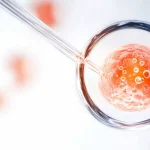
Egg freezing is a fertility preservation process where mature eggs are collected, frozen, and stored for future use. Later, these eggs may be thawed, fertilized, and used during an IVF treatment.
The goal is to preserve egg quality from the age when the eggs were frozen. Egg freezing does not stop aging, but it can help protect future fertility choices.
What Is the Best Age to Freeze Your Eggs?
The best age to freeze your eggs is generally when egg quality and quantity are still strong. For many women, this is during their late 20s or early 30s.
However, there is no single perfect age for everyone. Your health, family plans, and fertility results also matter.
Should You Freeze Your Eggs in Your 20s?
Women in their 20s usually have higher egg quality and a greater number of healthy eggs.
Freezing eggs during this period may offer better chances for future success because younger eggs are less likely to have age-related changes.
However, many women in their 20s may not know whether they will need fertility preservation. A consultation with a fertility specialist can help understand personal needs.
Is 30 to 35 a Good Time to Freeze Your Eggs?
For many women, ages 30 to 35 are a common time to consider egg freezing.
During this stage, women may decide to delay pregnancy because of:
- Career growth
- Education plans
- Relationship goals
- Financial preparation
- Personal choices
Egg quality diminishes with age, which is why freezing eggs at this time could offer more options than waiting until later.
Can You Freeze Your Eggs After 35?
Yes, women can still freeze eggs after 35, but success may depend on individual fertility health.
After the mid-30s, egg quantity and quality usually begin to decline faster. Some women may need additional egg freezing cycles to collect enough eggs.
A fertility evaluation can help determine ovarian reserve and possible outcomes before starting the process.
Is Egg Freezing Possible After 40?
Egg freezing after 40 is possible, but expectations should be realistic.
At this age, fewer eggs may be available, and some eggs may have a higher chance of genetic changes. A fertility specialist can explain whether egg freezing is suitable based on personal health information.
Why Does Age Matter When You Freeze Your Eggs?
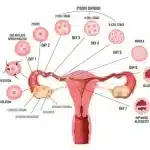
The age of women affects fertility since they are born with a smaller quantity of eggs. With time, both egg count and egg quality diminish.
Eggs that are frozen at an early stage can be preserved before natural fertility changes occur.
Factors that may influence your decision include:
- Your current age
- Family history of early menopause
- Medical treatments that may affect fertility
- Personal pregnancy timeline
What Is the Egg Freezing Process Timeline?
The egg freezing process usually includes several steps:
Step 1: Fertility Consultation
Doctors review your medical history and perform tests to understand your fertility health.
Step 2: Ovarian Stimulation
Hormone medications help the ovaries produce multiple mature eggs in one cycle.
Step 3: Egg Retrieval
A short medical procedure is used to collect mature eggs from the ovaries.
Step 4: Egg Freezing and Storage
The collected eggs are frozen using advanced preservation methods and stored for future use.
How Many Eggs Should You Freeze?
The number of eggs needed depends on your age and fertility results. Younger women may require fewer eggs to achieve better future chances, while older women may need more eggs collected.
A fertility specialist can recommend a suitable number based on your personal situation.
How Much Does Egg Freezing Cost?
The egg freezing cost depends on factors like fertility testing, medications, egg retrieval, and storage fees. The total expense can vary based on the clinic and individual fertility needs. EggDonors4All helps individuals understand their fertility options and guides the process. It is best to discuss pricing and available options with a fertility specialist before starting egg freezing.
Can Frozen Donor Eggs Be Another Option?
Some women may explore frozen donor eggs when their own eggs are not suitable or available. Frozen donor eggs can provide another pathway to pregnancy through assisted reproductive treatments.
Working with a trusted egg donation agency can help intended parents understand donor selection, screening, and available options.
For those exploring donor programs, understanding egg donor requirements NYC may also be helpful when considering available choices.
Is Egg Freezing a Guarantee for Future Pregnancy?
No, egg freezing does not guarantee pregnancy.
The outcome depends on several factors, including:
- Age when eggs were frozen
- Number of eggs stored
- Egg survival after thawing
- Fertilization success
- Overall reproductive health
Egg freezing is a tool that provides additional possibilities, not a promise of future pregnancy.
Connect With EggDonors4All
If you want to learn more about fertility preservation, egg freezing options, or available support, connect with our team today.
Connect with Us
- Email: in**@***********ll.com
- Phone: 212-661-7177
Our experts can help answer your questions and guide you through your fertility journey.
Frequently Asked Questions –
Q. What is the best age to freeze your eggs?
A. An ideal age range varies among experts, but most believe that the late 20s and the early 30s are a good time since egg quality is generally higher.
Q. Does egg freezing hurt?
A. Most women experience mild discomfort during the process. The egg retrieval procedure is performed with medical support to reduce pain and ensure a safe experience.
Q. How long can frozen eggs be stored?
A. Frozen eggs can remain stored for many years under proper conditions. A frozen egg bank helps preserve and safely store eggs until they are needed in the future.
Q. Can I freeze my eggs if I am over 35?
A. Yes, you may still freeze eggs after 35. A fertility evaluation can help determine whether the process is suitable based on your fertility health.
Q. How does EggDonors4All help with fertility options?
A. EggDonors4All provides guidance and support for individuals exploring fertility preservation and donor egg options. Those looking for donor egg solutions, including egg donor NYC programs, can receive personalized assistance throughout their journey.

Dr. Kulsoom Baloch
Dr. Kulsoom Baloch is a dedicated donor coordinator at Indian Egg Donors, leveraging her extensive background in medicine and public health. She holds an MBBS from Ziauddin University, Pakistan, and an MPH from Hofstra University, New York. With three years of clinical experience at prominent hospitals in Karachi, Pakistan, Dr. Baloch has honed her skills in patient care and medical research.
- Dr. Kulsoom Baloch

- Dr. Kulsoom Baloch
- Dr. Kulsoom Baloch
- Dr. Kulsoom Baloch