
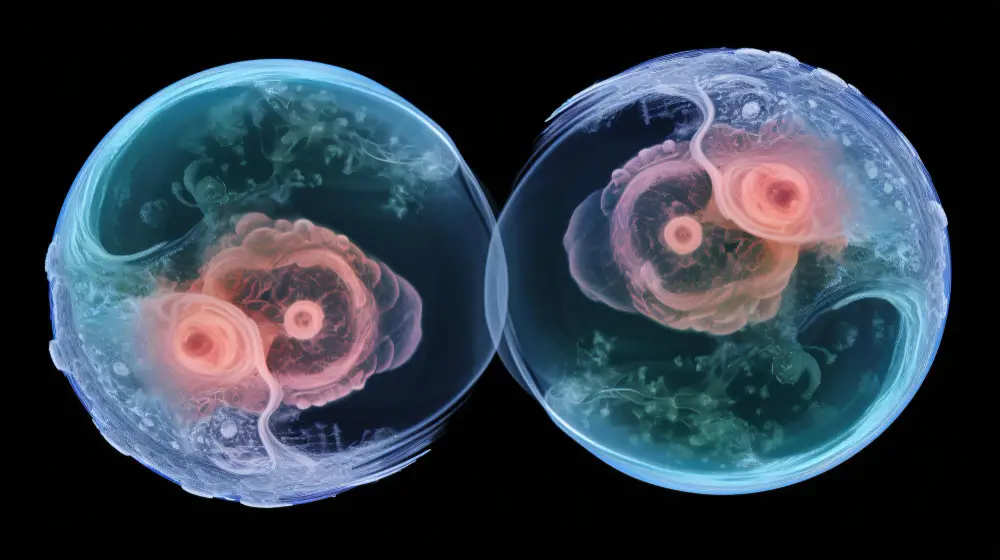
AI SMART SUMMARY
A blastocyst is a Day-5 to Day-6 embryo with defined structures, while an embryo in early development (Day-1 to Day-3) contains only a few dividing cells. Understanding this difference helps intended parents interpret IVF updates and make clearer decisions about donor-egg cycles or future transfers.
- Embryo = Day 1–3 (2–8 cells)
- Blastocyst = Day 5–6 (advanced structure)
- Blastocyst grading possible; embryo grading limited
- Relevance: IVF selection, donor-egg cycles, frozen transfers
- Medical procedures performed by licensed fertility clinics
Many intended parents and egg donors hear both terms—embryo and blastocyst—yet may not fully understand how they differ or why the distinction matters during IVF. These stages mark different points in early human development and influence how clinics evaluate embryos for transfer, freezing, or genetic testing.
EggDonors4All provides clear, ethical guidance for donor-egg IVF and embryo education. All medical procedures are performed exclusively by licensed fertility clinics; our focus is donor coordination, education, and supporting families who want clarity at each step of the IVF journey.
What This Page Covers
- The difference between an embryo and a blastocyst
- Why embryos do or do not reach blastocyst stage
- What embryologists can see at each stage
- How blastocysts support IVF decision-making
- Common questions intended parents ask during IVF development
What Is an Embryo? (Day 1–3)
An embryo—in the context of early IVF—is typically a Day 1, Day 2, or Day 3 fertilized egg that is still dividing into new cells.
Key Characteristics
- 2–8 cells (depending on which day it is)
- No specialized structure yet
- Limited ability to predict long-term development
- Often used when embryo numbers are low
- Still too early for chromosomal testing
When Embryos Are Evaluated
- Embryologists look at:
- Number of cells (2, 4, 6, 8)
- Symmetry
- Fragmentation
- Division pattern
If you want a deeper overview of early growth, explore: Blastocyst Development — Day-by-Day Timeline
What Is a Blastocyst? (Day 5–6)
A blastocyst is a more advanced embryo that has grown for several days and formed distinct components.
Key Characteristics
- 100–200+ cells
- Contains Inner Cell Mass (ICM) — becomes the fetus
- Contains Trophectoderm (TE) — becomes the placenta
- Expanded cavity called the blastocoel
- Detailed grading becomes possible
- Often preferred for genetic testing and freezing
Learn more about: Blastocyst Grading Explained
Blastocyst vs Embryo: Side-by-Side Comparison
| Feature | Early Embryo (Day 1–3) | Blastocyst (Day 5–6) |
|---|---|---|
| Typical Cell Count | 2–8 cells | 100–200+ cells |
| Structure | Simple | Differentiated (ICM + TE) |
| Grading Detail | Limited | Highly detailed |
| PGT Testing | Not typically | Common |
| Transfer | Sometimes | Very common |
| Predictive Value | Lower | Higher (but not guaranteed) |
Why Not All Embryos Become Blastocysts
- Only 30–50% of embryos reach the blastocyst stage. Reasons include:
- Chromosomal abnormalities
- Early developmental arrest
- Egg or sperm quality factors
- Natural biological variation
Even with excellent donor eggs, not every embryo progresses—this is part of natural embryology, not a failure of care.
Why Blastocysts Are Often Used in IVF Today
1. Clearer Developmental Information
Embryologists can see structural differences that aren’t visible at Day 3.
2. Supports Frozen Transfers
Blastocysts freeze and thaw predictably using modern techniques.
3. Works Well With Donor-Egg IVF
Younger donor eggs often produce strong blastocyst development.
4. Supports Surrogacy Planning
Frozen blastocysts provide flexibility for legal steps and scheduling.
How Blastocysts Fit Into Donor-Egg IVF
- Blastocysts are a common milestone for intended parents using donor eggs because:
- Donor eggs often have higher developmental potential
- Embryo numbers are more predictable
- Blastocyst-stage embryos are often preferred for PGT
- Many surrogacy programs require blastocysts
If you prefer defined embryo outcomes, explore the Guaranteed Blastocysts Program (educational, non-medical)
Common Questions This Page Answers
- Is a blastocyst better than an embryo?
- Why do clinics prefer blastocysts?
- What makes some embryos stop growing?
- Does Day-6 mean lower quality?
- Can Day-3 embryos still succeed?
- Is grading at Day-3 as useful as Day-5?
Frequently Asked Questions
Q. Is a blastocyst “better” than an embryo?
Ans. Not inherently—it’s simply more developed. More structure means more information.
Q. Do Day-3 embryos still lead to pregnancies?
Ans. Yes. Some clinics transfer Day-3 embryos depending on circumstances.
Q. Is every blastocyst genetically normal?
Ans. No. Grading does not equal chromosome testing.
Q. Are Day-6 blastocysts lower quality?
Ans. Outcomes are comparable once frozen and thawed.
Q. Does EggDonors4All grow embryos?
Ans. No. All embryo growth, fertilization, and transfer occur at licensed fertility clinics.
Related Educational Resources
- Day-3 vs Day-5 vs Day-6 Embryos
- Blastocyst Grading (AA, AB, BB)
- Blastocyst Development — Day-by-Day
- Frozen Blastocysts & Cryopreservation
- Hatching Blastocysts
- Blastocyst Transfer Guide
- Blastocyst Success Rates
- Blastocyst FAQ Library
Want clearer embryo expectations?
EggDonors4All supports intended parents in navigating donor-egg IVF, blastocyst development, and structured embryo outcome options like Guaranteed Blastocysts.
- Explore Guaranteed Blastocysts
- Request Donor Information
- Apply to Become an Egg Donor
Serving intended parents and donors across the USA & Canada.

Dr. Veera Saghar
As an Egg Donor Coordinator, she plays a critical role in our company. Her background as a medical graduate from ISRA UNIVERSITY in Pakistan provides us with a solid foundation in the medical sciences. She has seven years of clinical experience practicing in the USA. This has given her firsthand experience when collaborating with patients and their families.
She is responsible for managing the process of egg donation from start to finish. We identify and screen potential egg donors.
- Dr. Veera Saghar