AI SMART SUMMARY (FAST FACTS)
Quick Summary
Human embryo development follows a predictable sequence from fertilization through the blastocyst stage. Understanding this day-by-day timeline helps intended parents make sense of IVF reports, embryo grading, and transfer timing.
Common Searches This Page Answers
- embryo development timeline
- embryo stages day by day
- blastocyst stage embryo
- day 5 embryo
- IVF embryo development
Who This Article Is For
- Intended parents learning IVF basics
- Families reviewing embryo reports
- Patients confused by embryo “Day” terminology
- International parents coordinating fertility care remotely
Key Takeaway
Embryo development is a process, not a guarantee. Reaching the blastocyst stage confirms early development but does not predict outcomes.
INTRODUCTION
If you’re undergoing IVF or donor egg treatment, you may hear terms like “Day-3 embryo” or “Day-5 blastocyst” without a clear explanation of what actually happens during those days. Understanding embryo development day by day can help intended parents feel more informed and less overwhelmed.
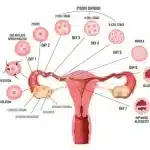
Embryo development begins at fertilization and continues through several distinct stages over the first five to six days. Each stage reflects specific cellular changes, and not all embryos progress at the same pace. This natural variation is part of human reproduction.
This article walks through embryo development from Day 1 to Day 5, explains what each stage means, and clarifies how clinics use this information for IVF planning. This content is educational only and does not replace medical advice.
Who This Guide Is Most Helpful For
- Intended parents new to IVF
- Patients reviewing embryo lab updates
- Families planning frozen embryo transfer
- International parents coordinating remotely
Day 1: Fertilization
Day 1 marks fertilization, when a sperm successfully enters an egg, forming a zygote.
At this stage:
- Genetic material from egg and sperm combine
- The embryo is a single cell
- Fertilization may occur naturally or via ICSI in IVF
Fertilization confirms that an egg and sperm have successfully united, but development is just beginning.
Day 2: Early Cell Division
By Day 2:
- The embryo divides into two to four cells
- Cells are called blastomeres
- The embryo remains within the protective zona pellucida
Cell division is a critical early milestone, but embryos may still stop developing at this stage.
Day 3: Cleavage Stage
On Day 3:
- The embryo typically has six to eight cells
- Cells continue dividing without increasing overall size
- The embryo is referred to as a cleavage-stage embryo
Some IVF cycles transfer embryos at this stage, depending on clinic protocol.
Day 4: Morula Stage
By Day 4:
- Cells compact tightly together
- The embryo becomes a morula
- Individual cells are less distinguishable
This stage reflects continued development toward blastocyst formation.
Day 5–6: Blastocyst Stage
On Day 5 or Day 6:
- A fluid-filled cavity forms
- The embryo differentiates into two cell groups
- Inner cell mass
- Trophectoderm
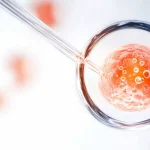
This structure is known as a blastocyst.
Not all embryos reach this stage, which is why blastocyst development is often used as a planning milestone in IVF.
Why Some Embryos Do Not Reach Blastocyst Stage
Natural attrition is common in embryo development. Reasons embryos may stop developing include:
- Genetic factors
- Cellular abnormalities
- Natural biological variation
This is not a failure of treatment, but a reflection of normal human reproduction.
How Clinics Use the Embryo Development Timeline
Clinics use development milestones to:
- Decide when to transfer or freeze embryos
- Communicate progress clearly
- Plan frozen embryo transfer cycles
The timeline helps with planning, not prediction.
Embryo Development in Donor Egg IVF
In donor egg IVF, embryo development timelines help:
- Clarify embryo availability
- Support scheduling of transfers
- Reduce early uncertainty
Learn more in the Blastocysts Educational Pillar
Frequently Asked Questions
Q. Is Day-5 always better than Day-3?
Ans : Not always. The choice depends on clinic guidance.
Q. Do all embryos reach blastocyst stage?
Ans : No. Natural attrition is common.
Q. Can embryos develop at different speeds?
Ans : Yes. Development rates vary.
FINAL EDUCATIONAL
Continue Learning
Understanding embryo development can help intended parents feel more confident when reviewing IVF updates.
👉 Explore the Blastocysts Pillar
👉 Learn About Embryo Grading
👉 Speak With a Coordinator (Optional)
Serving intended parents across the USA & Canada.

Dr. Kulsoom Baloch
Dr. Kulsoom Baloch is a dedicated donor coordinator at Indian Egg Donors, leveraging her extensive background in medicine and public health. She holds an MBBS from Ziauddin University, Pakistan, and an MPH from Hofstra University, New York. With three years of clinical experience at prominent hospitals in Karachi, Pakistan, Dr. Baloch has honed her skills in patient care and medical research.
- Dr. Kulsoom Baloch

- Dr. Kulsoom Baloch
- Dr. Kulsoom Baloch
- Dr. Kulsoom Baloch