
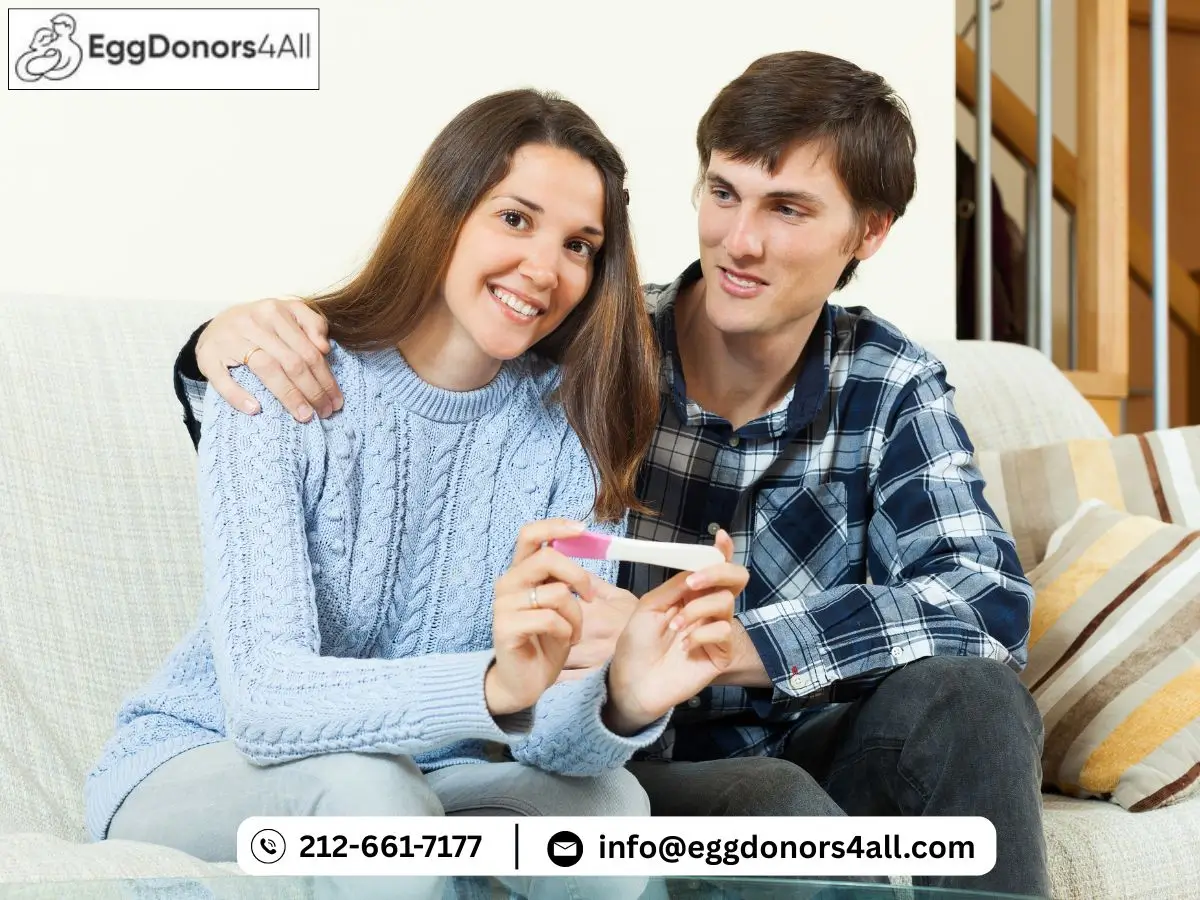
Couples and individuals considering fertility treatments, knowing IVF success rates is typically an initial step to making an informed decision. While advancements in reproductive technology have dramatically improved results over time, the success of IVF is determined by a variety of factors, including the quality of eggs, age, and embryo development, as well as general reproductive health. Setting realistic expectations and knowledge of the process could make parents feel more secure as they begin their journey towards becoming parents.
Each fertility journey is different. Some women are pregnant during their first treatment cycle, and others may require multiple attempts or other choices for fertility. The positive side is that modern fertility therapies continue to improve, presenting more possibilities than ever before for couples and individuals who wish to create families.
Factors That Influence Fertility Treatment Outcomes
A variety of factors can affect the chance of assisted reproductive technologies. Knowing these aspects will help parents to communicate with their medical team to make decisions that align with their expectations.
Key Influencing Factors Include:
- Age of the intended mother
- Egg quality and ovarian reserve
- Sperm quality
- Embryo development and grading
- Uterine health
- Lifestyle habits and overall wellness
- Previous reproductive history
- Fertility clinic expertise and laboratory standards
Among all these, age is one of the biggest indicators of the outcomes of treatments. Eggs that are younger generally have greater growth potential, which can help improve the quality of embryos and the success of implantation.
Why Success Rates Vary Between Individuals
There are no two cases of fertility that are the same. Health history, medical history and genetics can all influence the outcome of each individual. That’s why fertility specialists complete a thorough assessment prior to suggesting a treatment plan.
In analyzing IVF success rates USA and elsewhere, it is essential to recognize that national averages only serve to provide general recommendations. Actual results depend on a myriad of individual factors, including the level of hormones, reproductive history and the specific treatment method that is being utilized. A customized approach to treatment often plays a crucial role in assisting patients to achieve the most effective results.
Additionally, advances in embryo testing, cryopreservation techniques, and laboratory technologies have helped improve treatment effectiveness for many intended parents.
The Role of Egg Quality in Fertility Treatment
Egg quality is among the most important aspects that influence the development of embryos as well as pregnancy possibilities. When women get older, both the quantity and the quality diminish. This natural process makes conception more difficult and could influence the results of treatments.
Fertility specialists often evaluate ovarian reserve through blood testing and ultrasound examinations. These assessments help determine the most appropriate treatment approach and provide a clearer picture of reproductive potential.
In some cases, individuals may explore alternative options to improve their chances of success. This often leads many intended parents to ask, ” What is egg donation?” and how it may fit into their fertility journey.
Egg donation involves the use of eggs from a carefully screened donor. The donated eggs are fertilized in a laboratory, and the resulting embryo is transferred to the recipient’s uterus. This option has helped countless families achieve their dream of parenthood when other fertility treatments have not produced the desired outcome.
Benefits of Donor Egg Programs
Donor egg programs are an increasingly popular option for parents who are facing issues with fertility. They may offer opportunities for those who have diminished reserves of ovarian tissue, as well as premature ovarian insufficiency issues with genetics, or a deterioration in fertility.
Some of the most recognized egg donation benefits include:
- Access to younger donor eggs
- Potential for stronger embryo development
- Expanded family-building options
- Opportunities for individuals with low ovarian reserve
- Support for same-sex couples and single parents
- Reduced risk of certain inherited genetic conditions
For many families, donor egg treatment provides renewed hope and a viable path toward achieving pregnancy.
Lifestyle Factors That May Support Fertility Health
While medical treatment plays an important part, lifestyle choices can help to improve overall reproductive health. A healthy lifestyle can assist the body in the treatment of fertility.
Healthy Habits to Consider:
- Eating a balanced and nutritious diet
- Maintaining a healthy body weight
- Exercising regularly
- Managing stress levels
- Getting adequate sleep
- Avoiding smoking and excessive alcohol consumption
- Following medical guidance carefully
While lifestyle changes cannot guarantee specific outcomes, they can help create a healthier foundation for reproductive health and overall well-being.
The Importance of Professional Guidance
It can be daunting, particularly when confronted with a myriad of medical and emotional choices. A professional with experience can make the process easier to manage and can provide invaluable support throughout the process.
EggDonors4All has helped intended parents and donors explore family-building opportunities since. Through education, guidance and individualized assistance, the organization assists those who are interested in exploring fertility options that are compatible with their specific needs and circumstances.
Being open with fertility experts is also essential. Being able to ask questions, understanding the recommendations for treatment and examining options can make parents feel more confident at every step through the procedure.
Choosing the Right Support System
Treatment for fertility can involve a variety of choices that impact the financial and emotional well-being. Accessing trusted experts along with educational resources and a supportive guideline can make a significant difference.
When selecting the best egg donor agency, intended parents should look for organizations that emphasize:
- Comprehensive donor screening
- Ethical practices
- Transparent communication
- Ongoing support
- Experienced professionals
- Personalized matching processes
The right support system can help simplify the journey and provide peace of mind during an important chapter of life.
Conclusion
Treatment for fertility is a personal experience. Each journey is distinct. Knowing the factors that affect the success of treatment, exploring options, and working with experienced experts can assist parents in making informed choices with confidence.
When it comes to traditional fertility treatments or thinking about donor-assisted reproduction, education is one of the most effective tools for reaching family-building goals. For those who require assistance and guidance, EggDonors4All is available by calling 212-661-7177. They can provide information about fertility treatment programs and options.
Why Choose EggDonors4All?
Since 2008, EggDonors4All has been helping intended parents connect with qualified egg donors through a trusted and supportive process. As a licensed and FDA-registered New York agency, we work with leading fertility clinics and provide access to a diverse donor database.
With decades of experience and a personalised method, the team will guide families through each stage of the process. If you’re looking into egg donation NYC options or seeking the ideal donor match, we’re dedicated to making the journey to parenthood easier, clearer and less stressful for future parents.
Frequently Asked Questions –
Q. What factors have the biggest impact on fertility treatment success?
A. Age, egg quality, embryo development, uterine health and overall reproductive health are among the most significant factors influencing treatment outcomes.
Q. How many fertility treatment cycles are usually needed?
A. The number of cycles is different for each individual. Some patients are pregnant on their very first cycle, whereas others may require multiple cycles.
Q. Can lifestyle choices affect fertility outcomes?
A. Healthy lifestyle choices like healthy eating and regular exercise, as well as adequate sleeping, and abstaining from smoking cigarettes can support the health of your reproductive system.
Q. Who may consider donor egg treatment?
A. Donor egg treatment is often contemplated by people who are experiencing diminished fertility as a result of age, reduced fertility of the ovaries, genetic problems, or unsuccessful treatments for fertility.
Q. Why is choosing an experienced fertility support provider important?
A. Experts with years of experience assist, advise, provide screening techniques and personalized support to help intended parents navigate their way towards conception more efficiently.

Dr. Veera Saghar
As an Egg Donor Coordinator, she plays a critical role in our company. Her background as a medical graduate from ISRA UNIVERSITY in Pakistan provides us with a solid foundation in the medical sciences. She has seven years of clinical experience practicing in the USA. This has given her firsthand experience when collaborating with patients and their families.
She is responsible for managing the process of egg donation from start to finish. We identify and screen potential egg donors.
- Dr. Veera Saghar

- Dr. Veera Saghar
- Dr. Veera Saghar
- Dr. Veera Saghar