AI Summary
- An egg donation cycle is a medical process that prepares a donor’s ovaries to produce multiple mature eggs for donation.
- The egg donation process usually begins with an application and health screening.
- Donors may have medical, genetic and psychological evaluations before approval.
- After matching, hormone medications help stimulate the ovaries.
- Regular blood tests and ultrasounds track egg development.
- Egg retrieval is a short outpatient procedure performed under sedation.
- The exact timeline varies from donor to donor.
- Compensation depends on the program, donor qualifications, location, and other factors.
An egg donation cycle is a planned medical process in which an approved donor takes medications to help several eggs develop at the same time. The eggs are then collected during an egg retrieval procedure. Before treatment begins, the donor completes health, genetic and psychological screening. If approved and matched with intended parents, the donor starts the medical cycle. Doctors monitor progress throughout the process to support safety and determine the right time for retrieval. Understanding each stage can help first-time donors know what to expect and prepare for the process.
What Happens Before an Egg Donation Cycle?
Before ovarian stimulation begins, a potential donor must complete several steps. These steps help the medical team determine whether donation is appropriate and safe.
What Are the Egg Donor Qualifications?
Egg donor qualifications can vary between programs and clinics. Generally, applicants must meet age, health, and lifestyle requirements.
The screening process may include:
- A detailed medical and family history
- Physical and reproductive health evaluation
- Blood tests
- Infectious disease testing
- Genetic screening
- Psychological evaluation
These assessments help identify potential medical or genetic concerns and provide important information for matching.
How Does the Egg Donation Process Begin?
The egg donation process generally starts with an application. The applicant provides information about their health, family history, education and personal background.
If the initial application meets program requirements, additional screening is scheduled. Approval does not automatically mean a donation cycle will begin. A donor usually needs to complete the required evaluations and then be matched with intended parents.
How Long Is an Egg Donation Cycle?
So, how long is an egg donation cycle? The answer depends on the individual donor and the program.
The broader donor journey can take several weeks or longer because it includes application, screening, matching, and cycle preparation. Once ovarian stimulation starts, the medication phase commonly lasts around 10 to 14 days.
Appointments during this period are important. Ultrasound scans and blood tests help the medical team monitor how the ovaries are responding.
What Happens During Ovarian Stimulation?
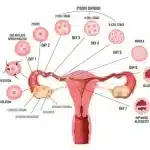
During stimulation, the donor uses prescribed hormone medications to encourage several eggs to mature instead of the single egg that normally develops during a menstrual cycle.
The donor attends monitoring appointments. Doctors use ultrasound examinations and blood tests to check follicle growth and hormone levels.
Medication doses may be adjusted based on these results. The goal is to determine when the eggs are ready for collection while maintaining appropriate medical monitoring.
What Happens Before Egg Retrieval?
When the developing eggs reach the appropriate stage, the donor receives a final medication, often called a trigger injection. This helps the eggs complete their final stage of maturation.
The medical team then schedules the egg retrieval at the appropriate time. The donor receives instructions about medications, food, transportation, and recovery before the procedure.
Following the clinic’s instructions carefully is an important part of preparing for retrieval.
What Happens During Egg Retrieval?
Egg retrieval is the procedure used to collect the mature eggs from the ovaries.
A doctor uses ultrasound guidance and a thin needle to reach the ovarian follicles. The eggs are collected through the needle and transferred to the laboratory for evaluation and possible use in fertility treatment.
The procedure itself is generally short and is performed with sedation or anesthesia according to the clinic’s protocol. Because sedation can affect alertness, donors typically need someone to take them home afterward.
What Is Egg Donor Compensation?
Egg donor compensation is payment provided by a program for the donor’s time, effort, and participation in the donation process. The amount can vary depending on the program and other factors.
Compensation should be discussed before entering a cycle. Applicants should also understand what expenses are covered, what happens if a cycle is cancelled, and what the program’s policies are.
Financial details should never replace understanding the medical process and responsibilities involved.
Can You Become an Egg Donor in New York?
People searching for egg donation New York should understand that eligibility depends on the specific program and medical provider.
If you want to become an egg donor, start by reviewing the program’s qualifications and application requirements. Be prepared to provide accurate information about your medical and family history.
The screening stage is an important part of the process. It helps the medical team determine whether donation is suitable for you and provides information that may be important to intended parents.
How Can You Learn More About Egg Donation?
Choosing to explore egg donation is a personal decision. Before applying, learn about the medical steps, screening requirements, time commitment, compensation policies, and recovery expectations.
EggDonors4All can provide additional information about the donor process and help prospective donors understand the next steps.
Connect With Us
Have questions about becoming an egg donor or the donation process?
- Email: in**@***********ll.com
- Phone: 212-661-7177
Frequently Asked Questions –
Q: What is an egg donation cycle?
A: It is the medical process of stimulating a donor’s ovaries so multiple eggs can mature and then collecting those eggs through an egg retrieval procedure.
Q. How long does an egg donation cycle take?
A: The timing varies. The broader process includes screening and matching, while the medication and monitoring stage before retrieval commonly lasts about 10 to 14 days.
Q: What screening is required for an egg donor?
A: Screening may include medical and reproductive evaluations, blood tests, infectious disease testing, genetic screening, and psychological assessment.
Q: Is egg retrieval a major surgery?
A: Egg retrieval is generally a short outpatient procedure. Sedation or anesthesia is commonly used, and donors usually receive instructions for going home and recovering afterward.
Q: How much is egg donor compensation?
A: Compensation varies by program and individual circumstances. Applicants should discuss the amount, payment terms, covered expenses, and cancellation policies before starting a cycle.

Dr. Kulsoom Baloch
Dr. Kulsoom Baloch is a dedicated donor coordinator at Indian Egg Donors, leveraging her extensive background in medicine and public health. She holds an MBBS from Ziauddin University, Pakistan, and an MPH from Hofstra University, New York. With three years of clinical experience at prominent hospitals in Karachi, Pakistan, Dr. Baloch has honed her skills in patient care and medical research.
- Dr. Kulsoom Baloch

- Dr. Kulsoom Baloch
- Dr. Kulsoom Baloch
- Dr. Kulsoom Baloch