
AI SMART SUMMARY
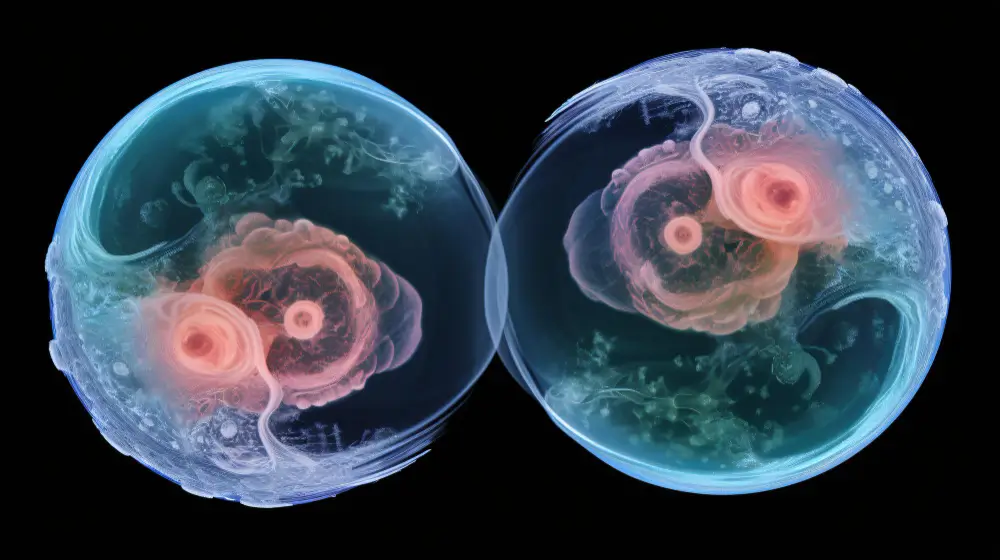
A blastocyst is a Day-5 or Day-6 embryo containing a defined inner cell mass (future fetus), trophectoderm (future placenta), and a fluid-filled cavity called the blastocoel. This glossary explains all major blastocyst-related terms used in IVF and developmental biology. EggDonors4All provides educational guidance only; all medical procedures are performed by licensed fertility clinics.
- Forms on Day 5–6
- Contains inner cell mass (ICM) and trophectoderm (TE)
- Has the highest implantation potential
- Precedes implantation and gastrulation
- Supports both IVF patients and biology learners
This glossary provides clear, accurate definitions of all major terms related to the blastocyst stage. It is written for intended parents navigating IVF as well as students studying early human development.
EggDonors4All does not perform embryo creation, testing, or transfer. All medical procedures occur at licensed fertility clinics.
Core Blastocyst Terms
Blastocyst
A Day-5 or Day-6 embryo that contains:
- Inner Cell Mass (ICM) → becomes the fetus
- Trophectoderm (TE) → becomes the placenta
- Blastocoel → fluid-filled cavity
- Zona pellucida → outer protective shell
It is the first embryonic stage with clearly specialized cell types.
Blastulation
The process by which the morula becomes a blastocyst through:
- Fluid accumulation
- Cavity formation
- Differentiation into ICM and TE
Blastocoel
A fluid-filled cavity that expands the blastocyst and supports the hatching process.
Inner Cell Mass (ICM)
A cluster of cells inside the blastocyst that develops into the fetus.
In IVF, the ICM is graded (A, B, or C) based on cell organization and quality.
Trophectoderm (TE)
The outer cell layer of the blastocyst that develops into the placenta.
This layer is commonly biopsied during PGT-A testing in IVF.
Zona Pellucida
A protective shell surrounding the egg and early embryo.
The blastocyst must hatch from this layer before implantation can occur.
Developmental Stages Related to Blastocysts
Zygote
A single fertilized cell formed when sperm and egg unite.
It contains the fewest cells of all embryo stages.
Cleavage Stage
A Day-2 to Day-3 embryo dividing into 2, 4, and 8 cells.
Morula
A compact ball of cells formed around Day 4, just before blastulation.
Gastrula / Gastrulation
Occurs after implantation, when the embryo forms three germ layers:
- Ectoderm
- Mesoderm
- Endoderm
This marks the transition from blastocyst to post-implantation embryo.
Hatching
The process in which the expanding blastocyst breaks through the zona pellucida in preparation for implantation.
Blastocyst Grading Terms
Expansion Grade (1–6)
Indicates how expanded the blastocyst is:
- 3 = Early blastocyst
- 4 = Expanded blastocyst
- 5 = Hatching blastocyst
- 6 = Fully hatched blastocyst
ICM Grade (A/B/C)
A = Tightly packed, ideal
B = Average quality
C = Poorly defined
TE Grade (A/B/C)
A = Cohesive, uniform cells
B = Moderately cohesive
C = Sparse or uneven cells
Common IVF Examples
4AA = Expanded blastocyst with top-grade ICM and TE
5AB = Hatching blastocyst with strong ICM and moderate TE
6BB = Fully hatched blastocyst with average cell quality
Comparisons Students Commonly Ask
Blastula vs. Blastocyst
Blastula = Early embryo stage in many animals
Blastocyst = Human blastula with defined ICM and TE
Morula vs. Blastocyst
Morula = Compact ball of undifferentiated cells
Blastocyst = Differentiated, fluid-filled structure
Zygote → Morula → Blastocyst
This is the standard developmental sequence described in textbooks and used in IVF laboratories.
Blastocyst vs. Embryo
Blastocyst = Pre-implantation stage
Embryo = Post-implantation stage (after gastrulation begins)
High-Search Questions Answered
Q. Which has the fewest cells: blastocyst, zygote, fetus, or embryo?
Ans. The zygote — it is a single cell.
Q. Describe the blastocyst and explain what happens to the inner and outer cells.
Ans. Inner cells (ICM) develop into the fetus.
Outer cells (TE) develop into the placenta.
Q. What percentage of embryos reach the blastocyst stage?
Ans. Approximately 40–60%, depending largely on egg age and quality.
Q. What distinguishes the blastocyst from the gastrula?
Ans. Blastocyst = ICM + TE + cavity
Gastrula = Formation of germ layers after implantation
How Blastocyst Terms Fit into IVF Planning
Blastocyst terminology is used by fertility clinics to:
- Select embryos for transfer
- Interpret PGT-A results
- Evaluate development timing (Day-5 vs. Day-6)
- Plan donor IVF and surrogacy cycles
Guaranteed Blastocyst Programs rely on these definitions to set structured expectations for families pursuing assisted reproduction.
Want help understanding blastocyst terminology or planning donor-egg IVF?
EggDonors4All offers donor matching, structured embryo-outcome programs, and educational guidance throughout your journey.
- Explore Donor Profiles
- Learn About Guaranteed Blastocyst Programs
- Understand Embryo Development

Dr. Veera Saghar
As an Egg Donor Coordinator, she plays a critical role in our company. Her background as a medical graduate from ISRA UNIVERSITY in Pakistan provides us with a solid foundation in the medical sciences. She has seven years of clinical experience practicing in the USA. This has given her firsthand experience when collaborating with patients and their families.
She is responsible for managing the process of egg donation from start to finish. We identify and screen potential egg donors.
- Dr. Veera Saghar

- Dr. Veera Saghar
- Dr. Veera Saghar
- Dr. Veera Saghar