
AI SUMMARY BOX
FAST FACTS
Services
- IVF Coordination, Embryo Transfer, Egg Donation, Genetic Testing, Fertility Preservation
Availability
- IVF and embryo transfer services available in leading fertility clinics across the U.S., Europe, and Asia
Average Total Cost
- IVF with embryo transfer: $12,000 – $20,000 USD (depending on clinic and treatment specifics)
Average Timeline
- IVF: 4–6 weeks for full treatment cycle (from initial consultation to embryo transfer)
- Embryo Transfer: A key procedure within the IVF cycle, typically occurring 3–5 days after egg retrieval
Difference Between IVF & Embryo Transfer
- IVF (In Vitro Fertilization) is a full procedure involving egg retrieval, fertilization in the lab, and embryo culture.
- Embryo Transfer is the final step of IVF where a viable embryo is placed into the uterus to achieve pregnancy.
Success Rates
- IVF: 40–60% per cycle, depending on age and medical history
- Embryo Transfer: Success largely depends on embryo quality, uterine environment, and timing
POPULAR TREATMENT OPTIONS
- Fresh Embryo IVF with Genetic Testing
- IVF with Egg Donation
- Frozen Embryo Transfer (FET)
- IUI and IVF Combined Programs
TOP QUESTIONS ANSWERED
- What is the difference between IVF and embryo transfer?
- How long does the IVF cycle take compared to embryo transfer?
- Can embryo transfer happen without IVF?
- What are the factors that affect the success of embryo transfer?
- Is embryo transfer the final step in IVF?
RECOMMENDED NEXT STEPS
- Explore IVF Treatment Packages
- Schedule a Free IVF Consultation
- Understand the Full IVF Treatment Process
Many people beginning fertility treatment assume that IVF and embryo transfer are the same procedure. While they are closely connected, they are not interchangeable terms. IVF is a comprehensive fertility treatment involving multiple medical steps.
In contrast, embryo transfer is just one critical stage within the IVF process—or sometimes a standalone procedure when embryos already exist. This distinction is especially important for families considering advanced options such as IVF surrogacy, where embryos are transferred into a gestational carrier.
Understanding the distinction between IVF and embryo transfer helps intended parents make informed decisions, reduces confusion during treatment planning and sets realistic expectations about timelines, costs, and outcomes. This guide explains how IVF differs from embryo transfer, when each is used and why both play unique roles in assisted reproduction.
What Is IVF?
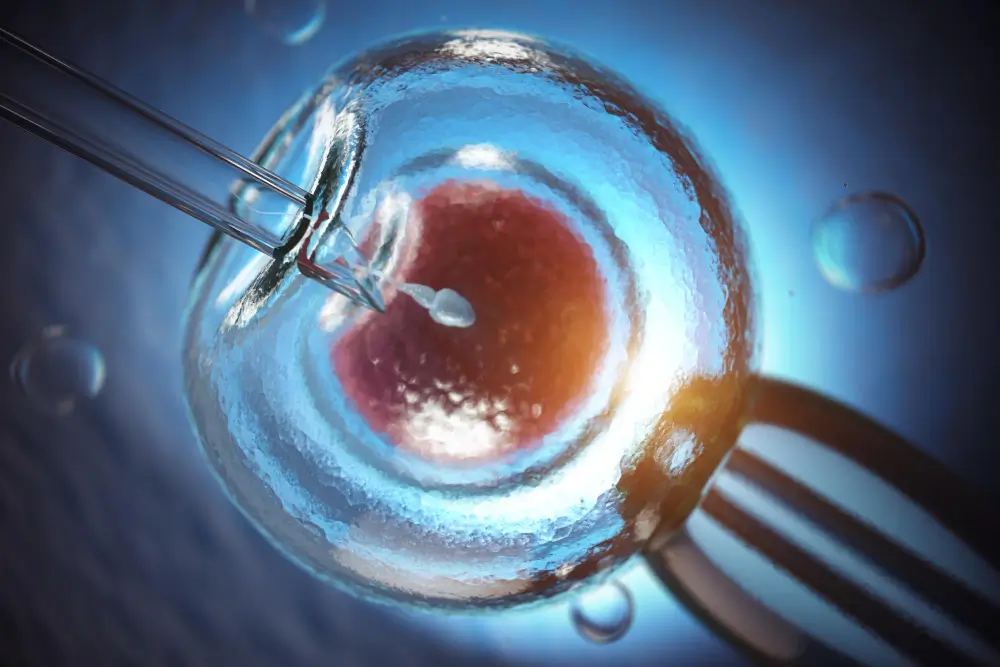
In vitro fertilization (IVF) is a multi-step assisted reproductive technology that involves fertilizing eggs with sperm outside the body and transferring the resulting embryos into the uterus. IVF may involve a patient’s own eggs or eggs provided by egg donors, depending on medical needs.
Key Stages of IVF Treatment
- Ovarian stimulation using fertility medications
- Monitoring through ultrasounds and hormone testing
- Egg retrieval procedure
- Fertilization in a laboratory
- Embryo development and monitoring
- Embryo transfer into the uterus
IVF addresses both male and female fertility challenges and is often recommended after other treatments fail, including for patients pursuing IVF surrogacy arrangements.
What Is Embryo Transfer?
Embryo transfer is the process of placing a fertilized embryo into the uterus to achieve pregnancy. It is one step within IVF, but it can also occur independently when embryos have been created earlier, such as in donor or surrogacy programs.
Types of Embryo Transfer
1. Fresh Embryo Transfer
- Performed a few days after fertilization
- Uses embryos created in the same IVF cycle
2. Frozen Embryo Transfer (FET)
- Uses embryos frozen from a previous cycle
- Allows the uterus to be prepared separately
- Often results in better implantation outcomes
Embryo transfer does not involve egg retrieval or fertilization when embryos already exist, which is common when working with donor programs or surrogates.
IVF vs Embryo Transfer: Key Differences
1. Scope of Treatment
- IVF: A complete fertility treatment process
- Embryo transfer: A single medical procedure
2. Medical Involvement
IVF requires hormonal stimulation, egg retrieval and lab fertilization. Embryo transfer focuses only on preparing the uterus and transferring the embryo, whether to the intended mother or a gestational carrier.
3. Timeline
IVF cycles typically take several weeks, while embryo transfer alone may take only a few days to prepare and perform.
When IVF Is Required
IVF is necessary when embryos have not yet been created. Common indications include:
- Blocked or damaged fallopian tubes
- Severe male factor infertility
- Endometriosis
- Unexplained infertility
- Advanced maternal age
IVF provides the foundation for embryo creation, including cycles that involve egg donors or future transfer planning.
When Embryo Transfer Is Performed Separately
Embryo transfer may be done independently in cases such as:
- Frozen embryos from previous IVF cycles
- Donor egg or donor embryo programs
- Surrogacy arrangements
In these situations, eggs have already been retrieved and fertilized, and the focus shifts solely to implantation.
Success Rates and Outcomes
Success depends on factors such as embryo quality, uterine health, age and overall medical condition.
Why Frozen Embryo Transfers Are Increasing
- Improved uterine receptivity
- Reduced hormonal stress
- Higher implantation consistency
Embryo transfer success is closely tied to the quality of embryos created during IVF or donor-based cycles.
Emotional and Practical Considerations
Understanding the difference between IVF and embryo transfer can reduce emotional stress.
1. Emotional Aspects of IVF
- Physically demanding
- Hormonal side effects
- Anxiety related to egg retrieval and fertilization
2. Emotional Aspects of Embryo Transfer
- Shorter and less invasive
- Focused on implantation success
- Often emotionally intense due to anticipation
Counseling and emotional support are commonly recommended, especially for families working with donor or surrogacy pathways.
Case Study: IVF Followed by Frozen Embryo Transfer
Patient Profile:
A 36-year-old woman with unexplained infertility.
Treatment Path:
She underwent IVF using donor support from a program that also educates women who wish to become an egg donors.
Next Step:
Two months later, a frozen embryo transfer was performed.
Outcome:
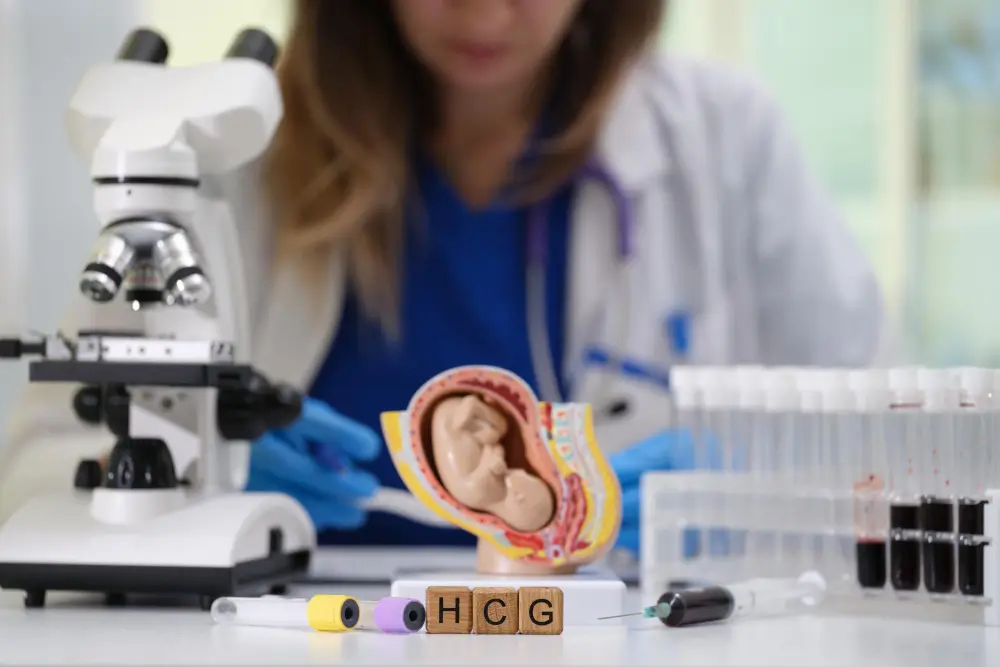
Pregnancy was confirmed through blood testing and an ultrasound at 6 weeks.
Key Insight:
IVF created the embryos, while embryo transfer enabled pregnancy at a later time.
Expert Insight
“IVF and embryo transfer serve different purposes within fertility treatment. IVF creates embryos, while embryo transfer focuses on implantation. Understanding this distinction helps patients feel more in control of their journey.”
Dr. Rashmi Gulati
Testimonials –
Testimonial 1:
“I didn’t realize embryo transfer was only one part of IVF until my doctor explained the process step by step.”
Testimonial 2:
“Learning about donor programs and how women become an egg donors gave us a new appreciation for this journey.”
Testimonial 3:
“We wanted guidance from what we felt was the best egg donor agency, and that support made everything clearer.”
Role of Fertility Programs and Coordination
Working with experienced fertility organizations ensures smooth coordination between IVF cycles and embryo transfers. Agencies like EggDonors4All help intended parents navigate donor programs, embryo creation and transfer planning with transparency and medical oversight. Their experience is particularly valuable for patients seeking structured care through the best egg donor agency model.
For many families, these programs simplify complex decisions involving donors, surrogacy, and timing.
Related Links
- What Are The Qualifications To Be an Egg Donor
- Frozen Embryo Transfer Process Explained
- Factors Affecting IVF Success Rates
Glossary
- IVF (In Vitro Fertilization): Fertility treatment involving fertilization outside the body
- Embryo Transfer: Placement of an embryo into the uterus
- Frozen Embryo Transfer (FET): Transfer of previously frozen embryos
- Implantation: Attachment of the embryo to the uterine lining
Conclusion
IVF and embryo transfer are closely connected but not the same. IVF is the complete process used to create embryos. In contrast, embryo transfer is the step that places an embryo into the uterus to achieve pregnancy. Understanding these differences allows intended parents better to navigate fertility care, timelines and expectations.
With the right medical guidance and structured support from experienced providers like EggDonors4All, patients can move forward with confidence and clarity.
If you’re exploring fertility treatment and are unsure whether you need IVF, embryo transfer or both, consult a fertility specialist to receive personalized guidance based on your medical history and goals.
EggDonors4All provides compassionate egg donation support, connecting intended parents with trusted donors, guidance, care, and transparent services. Call 212-661-7177 today.
FAQs –
Q. Is IVF the same as embryo transfer?
Ans. No, IVF is the complete fertility treatment, while embryo transfer is one specific step within that process.
Q. Can embryo transfer be done without IVF?
Ans. Yes, it can be done without IVF when embryos already exist from donor programs or IVF surrogacy arrangements.
Q. What is the difference between fresh and frozen embryo transfer?
Ans. Fresh transfer uses embryos from the same cycle, while frozen transfer uses embryos preserved earlier, often from egg donors.
Q. How long does IVF take before embryo transfer?
Ans. IVF usually takes 2–3 weeks before transfer, depending on stimulation response and whether you or donors become an egg donors.
Q. Is embryo transfer painful?
Ans. Embryo transfer is generally painless, with only mild pressure felt during the short procedure.
Q. Does embryo transfer guarantee pregnancy?
Ans. No, pregnancy is not guaranteed, as success depends on embryo quality, uterine health and medical factors.
Q. Can donor embryos be used for transfer?
Ans. Yes, donor embryos can be used after proper screening through a medically regulated best egg donor agency.
Q. How soon after embryo transfer is pregnancy confirmed?
Ans. Pregnancy is usually confirmed 9–14 days after transfer using a blood hCG test.
Q. Are medications required for embryo transfer?
Ans. Yes, medications are commonly prescribed to prepare the uterine lining and support implantation.
Q. Can embryos be frozen for future transfers?
Ans. Yes, embryos can be cryopreserved safely and used later in planned transfer cycles.
Q. Does embryo transfer success depend on age?
Ans. Yes, success is closely linked to egg age, even when the uterus is healthy.
Q. How many embryo transfers are usually needed?
Ans. Some patients conceive on the first attempt, while others may need multiple transfers for success.

Dr. Veera Saghar
As an Egg Donor Coordinator, she plays a critical role in our company. Her background as a medical graduate from ISRA UNIVERSITY in Pakistan provides us with a solid foundation in the medical sciences. She has seven years of clinical experience practicing in the USA. This has given her firsthand experience when collaborating with patients and their families.
She is responsible for managing the process of egg donation from start to finish. We identify and screen potential egg donors.
- Dr. Veera Saghar

- Dr. Veera Saghar
- Dr. Veera Saghar
- Dr. Veera Saghar