AI SMART SUMMARY (FAST FACTS)
Quick Summary
A blastocyst is an embryo that has developed to Day 5 or Day 6 after fertilization. Blastocysts are commonly used in IVF because they confirm early embryo development before transfer or freezing.
Common Searches This Page Answers
what is a blastocyst · blastocyst meaning IVF · blastocyst vs day 3 · blastocyst stage embryo · frozen blastocyst
Who This Article Is For
- Intended parents learning IVF basics
- Families comparing embryo stages
- LGBTQ+ parents and single parents by choice
- International parents planning fertility care remotely
Key Takeaway
Blastocysts do not guarantee pregnancy, but they help intended parents and clinics plan IVF more clearly by confirming early embryo development.
INTRODUCTION
When researching IVF or egg donation, many intended parents quickly encounter the term blastocyst. While it may sound complex, understanding what a blastocyst is can make fertility planning feel far less overwhelming.
A blastocyst is an embryo that has developed for approximately five to six days after fertilization. Reaching this stage means the embryo has progressed beyond the earliest phases of cell division and has begun differentiating into specialized cell groups.
This guide explains what a blastocyst is in simple terms, how embryos develop from Day 1 to Day 5, how blastocysts differ from earlier embryos, and why blastocysts are commonly used in IVF today. The goal is education—not medical advice or guarantees.
EggDonors4All provides education and coordination around egg donation and embryo options while working with licensed fertility clinics that manage all medical procedures.
Who This Guide Is Most Helpful For
- Intended parents early in IVF research
- Families comparing embryo stages
- Patients seeking clearer fertility timelines
- International parents coordinating remotely
What Is a Blastocyst? (Simple Explanation)
A blastocyst is an embryo that has developed to Day 5 or Day 6 after fertilization.
At this stage, the embryo contains:
- an inner cell mass (ICM), which may develop into the fetus
- a trophectoderm, which may develop into the placenta
This differentiation shows that the embryo has continued developing beyond the earliest stages. While a blastocyst does not guarantee pregnancy, it confirms early developmental progress.
Embryo Development Timeline: Day 1 Through Day 5
Understanding blastocysts is easier when placed in the context of embryo development.
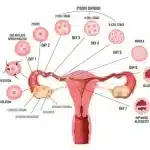
Day 1 – Fertilization
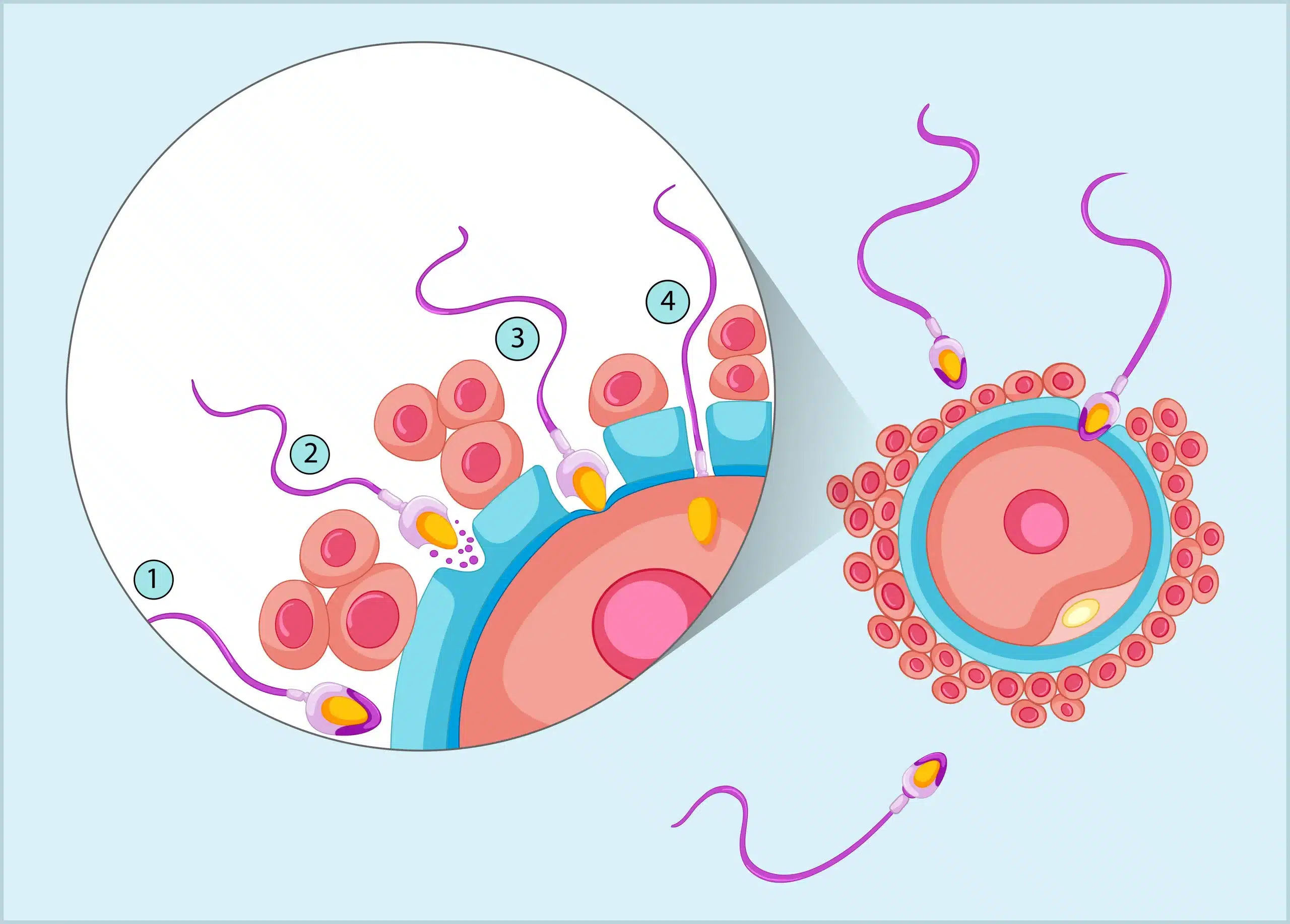
A sperm fertilizes an egg, forming a single-cell zygote.
Day 2–3 – Cleavage Stage
The embryo divides into multiple cells (2-cell, 4-cell, 8-cell). These are known as cleavage-stage embryos.
Day 4 – Morula
The embryo becomes a compact cluster of cells.
Day 5–6 – Blastocyst
A cavity forms, and the embryo differentiates into inner and outer cell groups.
Not all embryos reach Day 5. Some stop developing earlier, which is a natural part of human reproduction.
Blastocyst vs Day-3 Embryos: Key Differences
| Feature | Day-3 Embryo | Blastocyst |
| Development stage | Early cleavage | Day-5 |
| Differentiation | Not yet | Yes |
| Planning clarity | Lower | Higher |
Blastocysts provide more developmental information before transfer or freezing. The decision to use Day-3 or Day-5 embryos is made by fertility clinics based on individual circumstances.
Why Clinics Often Use Blastocysts
Blastocysts are commonly used because they:
- confirm continued embryo development
- allow better synchronization with uterine timing
- support planning for frozen embryo transfer
Importantly, blastocysts do not guarantee pregnancy. They are a planning tool—not a promise.
Blastocyst Grading: What the Numbers Mean
Blastocysts are often graded based on:
- how expanded the embryo is
- inner cell mass appearance
- trophectoderm appearance
Grades such as 4AA, 4AB, or 5AA describe visual characteristics only.
Grading helps describe development but does not predict outcomes.
How Blastocysts Fit Into IVF and Egg Donation
In donor egg IVF cycles, blastocysts help:
- clarify embryo availability
- support planning for future transfers
- reduce early uncertainty
Some families prefer planning around blastocysts because early embryo development has already occurred.
Learn more in the Blastocysts Educational Pillar
Frequently Asked Questions
Q. What is the simplest definition of a blastocyst?
Ans : A blastocyst is a Day-5 or Day-6 embryo.
Q. Do all embryos become blastocysts?
Ans : No. Natural attrition is common.
Q. Are blastocysts always frozen?
Ans : Blastocysts may be frozen or transferred, depending on clinic guidance.
Q. Does blastocyst grading matter?
Ans : Grading describes development but does not guarantee outcomes.
FINAL EDUCATIONAL
Continue Learning
Understanding blastocysts is an important step in IVF education. EggDonors4All provides clear, ethical information to help families plan with confidence.
👉 Explore Blastocyst Resources
👉 Compare Egg Donation Pathways
👉 Speak With a Coordinator (Optional)
Serving intended parents across the USA & Canada

Dr. Kulsoom Baloch
Dr. Kulsoom Baloch is a dedicated donor coordinator at Indian Egg Donors, leveraging her extensive background in medicine and public health. She holds an MBBS from Ziauddin University, Pakistan, and an MPH from Hofstra University, New York. With three years of clinical experience at prominent hospitals in Karachi, Pakistan, Dr. Baloch has honed her skills in patient care and medical research.
- Dr. Kulsoom Baloch

- Dr. Kulsoom Baloch
- Dr. Kulsoom Baloch
- Dr. Kulsoom Baloch