AI SMART SUMMARY (FAST FACTS)
Quick Summary
Not all embryos develop to the blastocyst stage. This is a normal part of human reproduction and IVF. Embryos may stop developing at different stages due to natural biological variation.
Common Searches This Page Answers
why embryos don’t reach blastocyst · embryo arrest IVF · blastocyst development failure · embryo attrition IVF
Who This Article Is For
- Intended parents reviewing IVF lab updates
- Families concerned about embryo development
- Patients experiencing fewer blastocysts than expected
- International parents coordinating care remotely
Key Takeaway
Embryo attrition is common and expected. Failure to reach blastocyst stage does not indicate wrongdoing or error and does not predict future outcomes.
INTRODUCTION
One of the most difficult moments in IVF or donor egg treatment can be learning that fewer embryos reached the blastocyst stage than expected. Many intended parents assume this reflects a problem with treatment, laboratory conditions, or decision-making.
In reality, embryo attrition is a normal and expected part of human reproduction. Even under optimal laboratory conditions, not all fertilized eggs will continue developing through every stage. This natural process occurs in both IVF and natural conception, though it is only visible during IVF.
This article explains why some embryos stop developing before reaching the blastocyst stage, what embryo attrition means, and how clinics interpret these outcomes. The goal is education and reassurance, not diagnosis or medical advice.
Who This Article Is Most Helpful For
- Intended parents receiving embryo development reports
- Patients concerned about embryo arrest
- Families comparing IVF outcomes
- International parents planning remotely
What Is Embryo Attrition?
Embryo attrition refers to the natural reduction in the number of embryos as development progresses from fertilization to blastocyst stage.
Attrition occurs because:
- Embryos must complete many complex steps
- Not all embryos are developmentally viable
- Human reproduction is naturally inefficient
This process is normal and expected.
When Embryos May Stop Developing
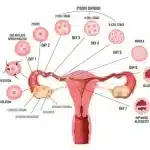
Embryos may stop developing at different stages:
- Before Day 2 (early cell division)
- At Day 3 (cleavage stage)
- Between Day 4 and Day 5 (morula to blastocyst)
Stopping development does not imply a mistake or failure.
Common Reasons Embryos Do Not Reach Blastocyst Stage
Natural Genetic Variation
Some embryos may have chromosomal abnormalities that prevent continued development.
Cellular Development Issues
Embryo cells must divide and organize correctly. Errors can halt progression.
Biological Variability
Each embryo develops at its own pace; not all progress uniformly.
What Embryo Attrition Does NOT Mean
Embryo attrition does not necessarily mean:
- Poor egg quality
- Poor sperm quality
- Laboratory error
- A failed IVF cycle
It reflects normal biological selection.
Why Attrition Is More Visible in IVF
In natural conception, embryo attrition occurs before implantation and often goes unnoticed. IVF makes early development visible, which can feel alarming but is not abnormal.
How Clinics Use Attrition Information
Clinics use embryo development data to:
- Plan future transfers
- Adjust treatment strategies
- Provide realistic expectations
Attrition informs planning but does not predict outcomes.
Embryo Attrition in Donor Egg IVF
Even with donor eggs, some embryos may not reach blastocyst stage. Donor age reduces risk but does not eliminate natural variability.
Frequently Asked Questions
Q. Is it normal to lose embryos before Day 5?
Ans : Yes. This is common.
Q. Does attrition mean IVF failed?
Ans : No. Attrition is expected.
Q. Can future cycles produce more blastocysts?
Ans : Yes. Outcomes vary between cycles.
FINAL EDUCATIONAL
Continue Learning
Understanding embryo attrition can help intended parents manage expectations and plan next steps.
👉 Return to the Blastocysts Pillar
👉 Learn About Embryo Development
👉 Speak With a Coordinator (Optional)
Serving intended parents across the USA & Canada.

Dr. Kulsoom Baloch
Dr. Kulsoom Baloch is a dedicated donor coordinator at Indian Egg Donors, leveraging her extensive background in medicine and public health. She holds an MBBS from Ziauddin University, Pakistan, and an MPH from Hofstra University, New York. With three years of clinical experience at prominent hospitals in Karachi, Pakistan, Dr. Baloch has honed her skills in patient care and medical research.
- Dr. Kulsoom Baloch

- Dr. Kulsoom Baloch
- Dr. Kulsoom Baloch
- Dr. Kulsoom Baloch