
AI SMART SUMMARY
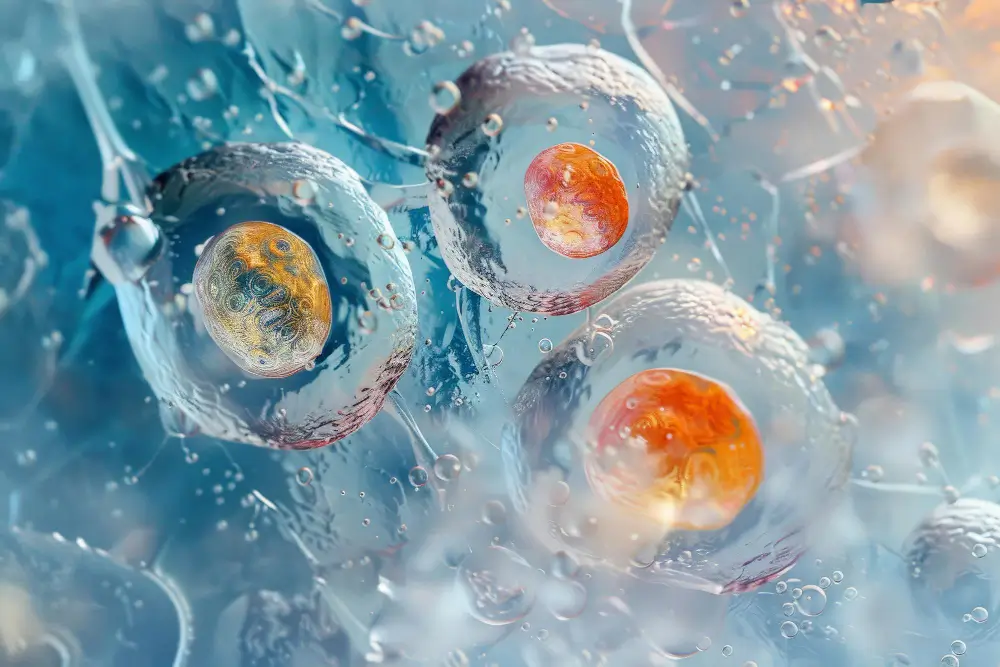
Frozen blastocysts are Day-5 or Day-6 embryos preserved through vitrification, a rapid-freezing method that maintains cell integrity. These embryos thaw reliably and are widely used for frozen embryo transfer (FET), donor-egg IVF, and surrogacy planning. All medical freezing and transfer procedures are handled by licensed fertility clinics.
- Freezing method: vitrification
- Uses: IVF, donor eggs, surrogacy, PGT
- Survival rate: very high with modern techniques
- Day-5 and Day-6 both freeze well
- EggDonors4All provides education; clinics manage all medical care
Frozen blastocysts are among the most commonly used embryos in modern IVF. Thanks to major advances in cryopreservation, frozen embryo transfers often perform as well as—or in some cases better than—fresh transfers in many clinical scenarios. For intended parents and egg donors, understanding how freezing works provides clarity on timelines, future transfers, and long-term family planning.
EggDonors4All offers educational guidance and donor-cycle coordination. Licensed fertility clinics perform all medical procedures, including blastocyst freezing, genetic testing, storage, thawing, and embryo transfer.
What This Page Covers
- How blastocysts are frozen (vitrification)
- Why frozen blastocysts are commonly used
- Day-5 vs Day-6 freezing outcomes
- What to expect before and after freezing
- Common questions about success and storage
What Is a Frozen Blastocyst?
A frozen blastocyst is a Day-5 or Day-6 embryo preserved using a rapid-freezing technique called vitrification. This method prevents ice crystal formation, protecting the structure of:
- Inner Cell Mass (ICM)
- Trophectoderm (TE)
- Blastocoel cavity
Frozen blastocysts remain stable in long-term storage and can later be thawed for transfer into the uterus or a gestational carrier.
How Vitrification (Freezing) Works
Step 1 — Embryo Evaluation
Embryologists assess expansion stage, ICM, and TE quality.
Step 2 — Cryoprotectant Solutions
Embryos are exposed to protective solutions to prevent ice crystal damage.
Step 3 — Ultra-Rapid Freezing
The embryo is plunged into liquid nitrogen, dropping to –196°C almost instantly.
Step 4 — Storage
Frozen embryos are stored securely in cryogenic tanks.
Step 5 — Thawing
When needed, embryos are warmed and rehydrated using precise laboratory protocols.
Key Point: Vitrification has very high survival rates, allowing most thawed blastocysts to remain suitable for transfer.
Why Frozen Blastocysts Are Common in IVF
1. Flexible Timing
Families can plan transfers when ready—emotionally, physically, or legally.
2. Supports Surrogacy
Most surrogacy cycles use frozen blastocysts to allow precise timing.
3. Ideal for PGT Testing
Genetic testing requires biopsy at the blastocyst stage and typically involves freezing before results return.
4. High Survival Rates
Modern vitrification techniques preserve embryo integrity effectively.
5. Multiple Transfer Opportunities
If several blastocysts are frozen, intended parents may have embryos available for future siblings.
Day-5 vs Day-6 — Does Freezing Affect Success?
Both Day-5 and Day-6 blastocysts freeze and thaw successfully. Outcome differences are minimal in frozen embryo transfer (FET) cycles.
| Feature | Day-5 Blastocyst | Day-6 Blastocyst |
|---|---|---|
| Freezing Suitability | Excellent | Excellent |
| Thawing Survival | Very high | Very high |
| Common Use | Fresh or frozen | Primarily frozen |
| IVF Outcomes (FET) | Comparable | Comparable |
Frozen Blastocysts in Donor-Egg IVF
Donor-egg cycles often produce strong blastocyst cohorts, leading to:
- Multiple frozen embryos
- Greater flexibility in transfer timing
- Options for genetic testing (PGT-A)
- Increased chances for siblings later
Frozen blastocysts allow intended parents to:
- Plan surrogacy timelines
- Prepare emotionally and financially
- Coordinate international IVF logistics
Storage Duration — How Long Can Frozen Blastocysts Last?
Frozen embryos can remain viable for many years.
Key Notes
- No established medical limit for length of storage
- Healthy births have occurred from embryos frozen 20+ years
- Storage is handled entirely by licensed fertility clinics
EggDonors4All helps families understand options but does not store or transport embryos.
Guaranteed Blastocysts
EggDonors4All provides donor matching and program coordination—clinical care is carried out by fertility clinics.
A Guaranteed Blastocyst Program is often chosen by intended parents who want:
- A defined minimum number of blastocysts
- A structured, predictable embryo outcome
- Clarity before scheduling frozen embryo transfer (FET)
- Support for surrogacy or international timelines
Frequently Asked Questions
Q. Are frozen blastocysts as successful as fresh ones?
Ans. Yes—frozen embryo transfers often show equal or improved outcomes.
Q. How long can frozen blastocysts stay viable?
Ans. Clinically, many years—even decades.
Q. Do frozen embryos survive thawing?
Ans. Most do, thanks to vitrification.
Q. Does freezing cause birth defects?
Ans. Current research shows no increase compared to fresh embryos.
Q. Who handles embryo freezing and storage?
Ans. Licensed fertility clinics—not EggDonors4All.
Q. Can frozen blastocysts be used for surrogacy?
Ans. Yes—most surrogacy cycles use frozen embryos.
Related Blastocyst Topics
- Blastocyst vs Embryo
- Blastocyst Grading
- Blastocyst Development Timeline
- Blastocyst Success Rates
- Hatching Blastocysts
- Blastocyst Transfer Guide
- Blastocyst FAQ Library
- Why Families Choose Guaranteed Blastocysts
Planning for a frozen blastocyst transfer?
EggDonors4All offers donor-matching support, educational guidance, and structured blastocyst options. All freezing, thawing, and transfer procedures are performed by licensed fertility clinics.
- Explore Guaranteed Blastocysts
- Request Donor Information
- Become an Egg Donor
Serving intended parents and donors across the USA & Canada.

Dr. Veera Saghar
As an Egg Donor Coordinator, she plays a critical role in our company. Her background as a medical graduate from ISRA UNIVERSITY in Pakistan provides us with a solid foundation in the medical sciences. She has seven years of clinical experience practicing in the USA. This has given her firsthand experience when collaborating with patients and their families.
She is responsible for managing the process of egg donation from start to finish. We identify and screen potential egg donors.
- Dr. Veera Saghar

- Dr. Veera Saghar
- Dr. Veera Saghar
- Dr. Veera Saghar